


How Should Knee Arthritis Be Treated?

Knee osteoarthritis treatment may include lifestyle modifications, physical therapy interventions, topical medications, oral medications, and surgical correction or reconstruction—following a stepwise approach from conservative to more invasive strategies to progressively alleviate joint inflammation and damage. Prompt medical evaluation and management are essential if joint pain or deformity worsens.
1. Lifestyle Modifications: Suitable for individuals with mild knee osteoarthritis. Daily activities that stress the knee joint—such as deep squatting, stair climbing, and weight-bearing walking—should be minimized. Weight control helps reduce mechanical load on the joint, while gentle joint-strengthening exercises can slow down cartilage degeneration.
2. Physical Therapy Interventions: Recommended for patients with mild symptoms such as joint soreness, swelling, or stiffness. Therapies including heat application, infrared irradiation, and ultrasound therapy improve local blood circulation around the knee, relax surrounding musculature, and help resolve low-grade inflammation to relieve discomfort.
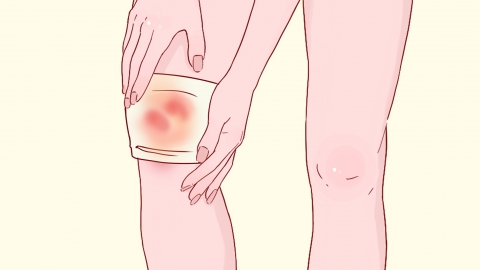
3. Topical Medications: Appropriate for patients with moderate knee osteoarthritis presenting localized swelling and pain. Topical analgesic or anti-inflammatory patches or gels applied directly to the affected knee provide targeted relief by reducing local inflammatory responses and alleviating symptoms including swelling, aching, and stiffness.
4. Oral Medications: Indicated for patients with pronounced inflammation and significant pain. Under physician guidance, anti-inflammatory and analgesic drugs—as well as chondroprotective agents—may be prescribed to suppress systemic inflammation, support cartilage repair, and effectively prevent recurrent symptoms of knee osteoarthritis.
5. Surgical Correction or Reconstruction: Reserved for severe cases characterized by extensive cartilage loss, joint deformity, and severely restricted mobility. Minimally invasive procedures or total knee arthroplasty may be performed to restore structural integrity and functional range of motion in the knee joint.
In daily life, maintaining warmth and protecting the knees from cold and dampness is crucial. Regular, low-impact exercise helps strengthen supporting musculature, while a balanced diet ensures adequate nutritional support—contributing to long-term joint health and reduced risk of inflammatory recurrence.


