


Why Does My Tooth Hurt More After a Filling?

Increased pain following dental restoration may result from factors such as pulp irritation, improper occlusal height, trauma during caries removal, chemical irritation from restorative materials, or secondary inflammatory reactions. These conditions can exacerbate postoperative tooth pain, interfering with normal eating and daily life. If tooth pain progressively worsens, prompt re-evaluation and treatment by a dentist are essential.
1. Pulp Irritation: This commonly occurs in deep carious lesions requiring restoration. Drilling and cavity preparation may disturb the dental pulp, causing transient pulp hyperemia. As a result, exposure to cold, hot, acidic, or sweet stimuli triggers sharp, fleeting pain. Mild irritation typically resolves spontaneously; however, persistent or worsening hyperemia may progress to spontaneous, unprovoked tooth pain.
2. Improper Occlusal Height: Inadequate contouring of the occlusal surface of the restoration may lead to premature contact—i.e., the restored tooth bears excessive occlusal force first during chewing. This repeated mechanical stress on the root and periodontal tissues causes dull, aching, or sharp pain. Pain intensity increases with greater masticatory force, and prolonged neglect may cause additional damage to periodontal structures.
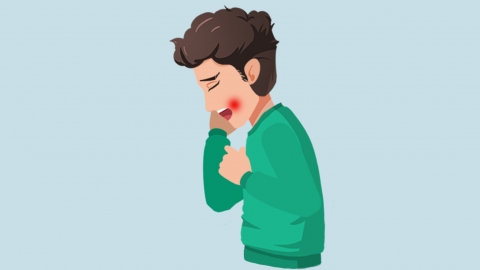
3. Trauma During Caries Removal: Aggressive instrumentation during removal of decayed dentin may irritate deep dentinal tubules. Post-restoration sensitivity—often manifesting as soreness or discomfort—commonly arises upon tactile stimulation (e.g., brushing) or ingestion of food. Symptoms are usually mild at rest and subside gradually given sufficient time for dentin recovery.
4. Chemical Irritation from Restorative Materials: In deep cavities without adequate base lining, chemical components of restorative materials may diffuse through dentin and reach the pulp, triggering a dull, lingering ache. Such pain typically emerges several hours to days after restoration. Individual tolerance varies, resulting in differing degrees of perceived discomfort.
5. Secondary Inflammatory Reaction: Pre-existing, untreated pulpitis may persist silently prior to restoration. Once the cavity is sealed, inflammation continues to progress within the tooth, eventually leading to throbbing pain—especially at night—and sometimes accompanied by gingival swelling. This condition does not resolve spontaneously; delayed treatment risks progressive destruction of the root and adjacent periodontal tissues.
After dental restoration, opt for lukewarm, soft foods and avoid extremes of temperature (very hot or cold), as well as hard or chewy items, to minimize mechanical stress on the treated tooth. Maintain gentle oral hygiene, monitor changes in tooth pain closely, and ensure regular, restful sleep—these measures collectively support optimal postoperative healing of the tooth structure.


