


What Does Root Canal Treatment Mean?

Root canal therapy is a core dental treatment for pulp and periapical diseases. Conventional root canal treatment is typically performed in multiple visits over a period of approximately two to four weeks. It enables the preservation of severely inflamed or necrotic natural teeth, serving as an alternative to tooth extraction.
The interior of human teeth contains hollow root canal structures that house the dental pulp, blood vessels, and nerves. Deep caries or traumatic injury can lead to pulp infection, inflammation, and eventual necrosis—resulting in persistent toothache and periapical inflammation. Root canal therapy involves removing infected and necrotic tissue from within the root canals, followed by thorough cleaning, shaping, and disinfection of the entire root canal system to eliminate the intradental source of infection at its origin.
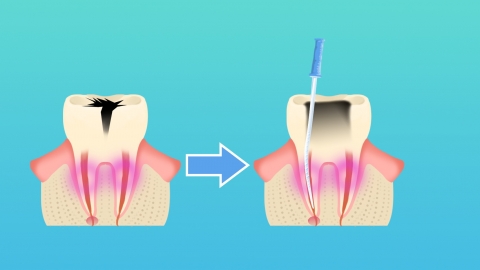
After cleaning and disinfection are complete, the root canals are filled with specialized sealing materials to seal the internal tooth cavity and prevent re-infection by external bacteria. This procedure effectively halts pulp inflammation, alleviates various toothache symptoms, stabilizes the structural integrity of the compromised tooth, maximizes retention of the natural tooth structure, and restores basic masticatory function.
Following root canal treatment, patients should minimize consumption of hard, extremely hot, or extremely cold foods; maintain diligent daily oral hygiene; avoid excessive occlusal forces or wear on the treated tooth; and ensure gentle, consistent care of the dental tissues to prolong the functional lifespan of the treated tooth.


