


What should I do if I frequently experience mouth ulcers?

Recurrent oral ulcers can be managed through dietary adjustments, improved sleep and lifestyle habits, proper oral hygiene, localized symptomatic care, and identification of underlying systemic triggers. A comprehensive, multi-faceted approach helps reduce the frequency of ulcer episodes and alleviate associated pain. Persistent or frequently recurring ulcers that fail to heal require timely medical evaluation and treatment.
1. Dietary Adjustment: Incorporate more fresh fruits and vegetables and high-quality protein into daily meals to ensure adequate intake of essential vitamins and trace elements. Avoid spicy, excessively hot, or hard foods that may repeatedly traumatize the oral mucosa. A balanced diet strengthens mucosal resistance and lowers the likelihood of recurrent oral ulcers.
2. Improved Sleep and Lifestyle Habits: Chronic sleep deprivation and excessive fatigue can disrupt immune function, increasing susceptibility to oral ulcers. Maintain regular, sufficient sleep; minimize late-night activity; schedule work and rest time appropriately; and manage psychological stress effectively—thereby stabilizing immune status and reducing frequent mucosal injury and ulceration.
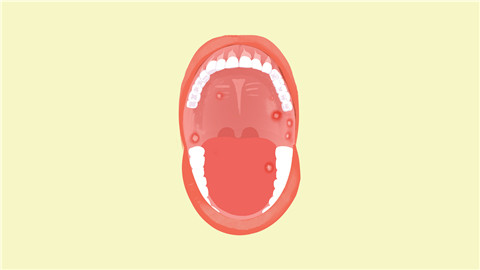
3. Proper Oral Hygiene: Use a soft-bristled, gentle toothbrush and brush teeth carefully. Remove food debris regularly to maintain optimal intraoral cleanliness. Brush gently to avoid injuring the oral mucosa, thereby minimizing bacterial proliferation and reducing the risk of infection- or irritation-induced oral ulcers.
4. Localized Symptomatic Care: During active ulcer episodes, protect the affected area from mechanical irritation (e.g., friction or pressure). Keep the oral environment clean and apply appropriate local therapies to soothe mucosal discomfort. Limit talking and chewing to prevent secondary trauma, facilitating gradual mucosal healing and shortening the overall ulcer recovery period.
5. Identification of Underlying Systemic Causes: Frequent oral ulcers may be linked to immune dysregulation, gastrointestinal dysfunction, or nutritional deficiencies. Pay close attention to bodily changes, identify potential contributing factors, make targeted lifestyle or therapeutic adjustments, and address underlying internal issues to reduce recurrence at its root.
Maintain emotional calmness and minimize anxiety; drink ample water to keep the oral cavity moist; chew food thoroughly and slowly to avoid accidental mucosal bites; and consistently pursue long-term physical wellness—thus lowering the risk of recurrent oral ulcers.


