


How long do dental implants last?

The lifespan of dental implants is not fixed; with proper care, they can last over 20 years. For most patients, the typical functional lifespan ranges from 10 to 20 years—making dental implantation one of the longest-lasting tooth replacement options currently available.
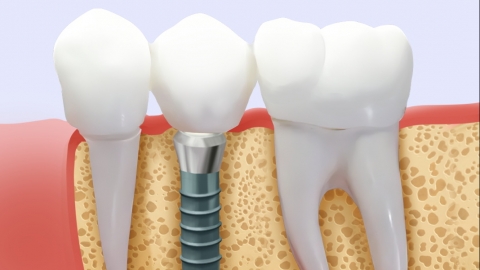
Dental implants are fabricated from highly stable base materials—most commonly medical-grade pure titanium—which exhibits excellent biocompatibility and rarely triggers immune rejection. This allows for osseointegration: firm, stable fusion between the implant and the patient’s alveolar bone. High-quality implant materials combined with standardized surgical techniques constitute the fundamental prerequisites for long-term implant success, effectively minimizing risks of early failure or loosening at the hardware level.
Everyday usage habits and oral hygiene practices are critical determinants of implant longevity. Patients who consistently maintain good oral hygiene and avoid excessive chewing of hard objects tend to retain stable, functional implants over the long term. Conversely, poor oral hygiene and frequent heavy masticatory loading may trigger peri-implant inflammation and progressive bone loss, significantly shortening the implant’s functional lifespan.
To sustain long-term stability and function of dental implants, patients should diligently clean both the implant surface and surrounding gingival tissues, maintain a balanced diet to support periodontal health, minimize habitual consumption of very hard foods, and adopt gentle, even chewing patterns.


