


What Are the Symptoms of Pulpitis?

Pulpitis manifests with spontaneous pain, nocturnal exacerbation of pain, severe pain triggered by cold or hot stimuli, dull discomfort during occlusion, and radiating referred pain. It is a typical dental condition primarily caused by pulp infection and congestion, significantly impairing daily eating and rest. Frequent, unrelenting toothache warrants prompt medical evaluation and treatment.
1. Spontaneous pain: Patients experience sudden, paroxysmal tooth pain without any external stimulus; the intensity varies. Pain episodes occur irregularly and intermittently, repeatedly aggravating the affected tooth—this is a hallmark symptom reflecting pulp inflammation, congestion, and swelling.
2. Nocturnal exacerbation of pain: When lying supine at night, increased intracranial blood pressure elevates intra-pulpal pressure, intensifying tooth pain. Pain often becomes markedly more severe at night, disrupting normal sleep—a distinguishing feature differentiating pulpitis from ordinary toothache.
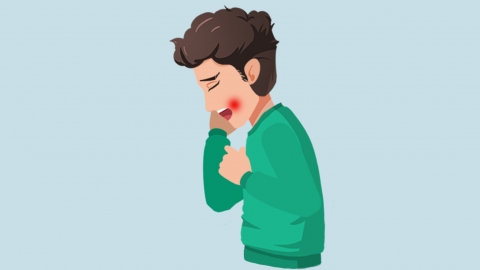
3. Severe pain induced by thermal stimuli: Affected teeth exhibit marked hypersensitivity to temperature changes; contact with cold water, hot water, or cold/hot foods triggers sharp, stabbing pain immediately. Pain persists for some time after stimulus removal, clearly indicating significant inflammatory damage to the pulp.
4. Dull occlusional discomfort: In the middle-to-late stages of disease progression, mild distending pain and occlusional discomfort develop. This dull ache persists during mastication under load, causing patients to avoid firm biting—ultimately impairing normal eating and chewing function over time.
5. Radiating referred pain: Pulpitis-related pain does not remain localized to a single tooth but spreads diffusely to the ipsilateral cheek, temple, and head. Patients commonly experience widespread aching, throbbing, or stabbing pain and are often unable to accurately identify the specific painful tooth, thereby complicating clinical diagnosis.
Maintain a bland, warm, and soft diet in daily life; avoid cold, hot, acidic, sweet, or hard foods that may irritate teeth. Adhere consistently to proper oral hygiene practices to minimize bacterial colonization within dental structures and stabilize the oral environment, thereby preventing progressive worsening of pulp inflammation.


