What Are the Symptoms of Anxiety Disorder?
Aug 11, 2026
Source: Cainiu Health

Dr. Zhang Baohua
Introduction
Anxiety disorders are primarily characterized by persistent emotional anxiety, physical tension and discomfort, sleep disturbances, difficulty concentrating, and autonomic nervous system dysfunction—symptoms that continuously interfere with daily work, study, and life. Prolonged physical and psychological discomfort that fails to subside requires prompt medical evaluation and treatment.
1. Persistent emotional anxiety: Patients remain in a state of unexplained tension and worry for extended periods.
Anxiety disorder is primarily characterized by persistent emotional anxiety, physical tension and discomfort, sleep disturbances, difficulty concentrating, and autonomic nervous system dysfunction—symptoms that continuously interfere with daily work, study, and life. Prolonged physical and mental discomfort that fails to subside warrants timely medical evaluation and treatment.
1. Persistent Emotional Anxiety: Patients experience prolonged, unexplained feelings of tension and worry, remaining mentally restless without identifiable triggers. They frequently engage in excessive, fearful rumination about uncertain future events, find it difficult to self-regulate and regain composure, and remain trapped in recurring negative emotions without achieving inner calm.
2. Physical Tension and Discomfort: The body remains chronically tense, manifesting as muscle rigidity, limb stiffness, and restlessness (e.g., inability to sit or stand still). Some individuals also experience palpitations, mental agitation, and generalized fatigue. These physical discomforts persist and fail to improve significantly with rest.
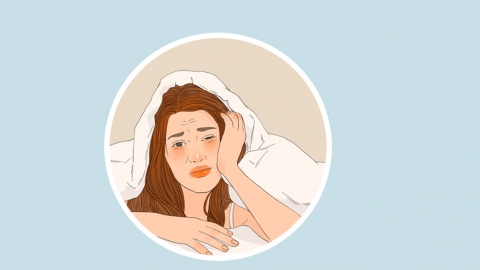
3. Sleep Disturbances: Emotional anxiety severely impairs sleep quality, commonly resulting in difficulty falling asleep, light or fragmented sleep, frequent vivid dreams, and repeated nocturnal awakenings. Chronic sleep deprivation leads to mental lethargy, further exacerbating anxiety and creating a vicious cycle detrimental to both physical and mental well-being.
4. Difficulty Concentrating: Patients’ thoughts become scattered and unfocused, hindering their ability to concentrate on routine tasks such as work or study. Their attention easily drifts, memory declines, and overall productivity drops significantly—seriously impairing normal daily functioning and task management.
5. Autonomic Nervous System Dysfunction: During anxiety episodes, patients may experience palpitations, dizziness, chest tightness, excessive sweating, hand tremors, and gastrointestinal discomfort. These physiological symptoms recur frequently, intensifying psychological fear and unease.
In daily life, consistently engaging in moderate aerobic exercise helps relax both mind and body. Cultivating a calm, balanced lifestyle, minimizing excessive rumination, maintaining regular sleep-wake cycles, and adhering to a light, nutritious diet all contribute to long-term physical and mental regulation—effectively alleviating anxiety-related symptoms.