


What Are the Treatment Options for Autism?

Autism spectrum disorder (ASD) can be managed through behavioral intervention training, speech and language rehabilitation, social skills development, family-guided intervention, and complementary rehabilitative therapies. Scientific, evidence-based interventions can gradually improve deficits in social interaction, behavior, and communication. Children exhibiting persistent delays in social and developmental milestones should receive timely medical evaluation and intervention.
1. Behavioral Intervention Training: This approach employs systematic behavioral guidance techniques to correct stereotyped, repetitive, or impulsive behaviors. It aims to establish appropriate behavioral patterns, progressively foster independence in daily living and structured problem-solving, and minimize the negative impact of maladaptive behaviors on everyday development and functioning.
2. Speech and Language Rehabilitation: Targeted training addresses delayed speech development and communication difficulties. Interventions focus on improving articulation, sentence formation, and semantic comprehension. Skills are developed progressively to enhance auditory perception, expressive language, and communicative competence—thereby addressing the core deficit in verbal interaction.
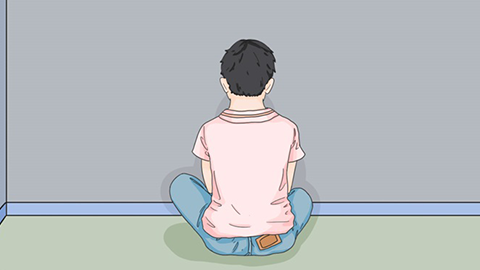
3. Social Skills Development: Through group activities, role-playing, scenario-based learning, and peer-supported interaction, individuals learn fundamental social rules and communication strategies. These interventions help patients actively engage in interpersonal exchanges, respond appropriately to others, participate in group settings, and gradually overcome social withdrawal and self-isolation.
4. Family-Guided Intervention: Caregivers are encouraged to adopt patient, scientifically informed guidance strategies and cultivate a warm, accepting home environment. Consistent daily engagement in therapeutic activities—combined with positive reinforcement—helps stabilize emotional regulation, reinforce professional rehabilitation outcomes, and provide enduring familial support for long-term recovery and development.
5. Complementary Rehabilitative Therapies: Tailored auxiliary interventions—including physical exercise, sensory integration training, and attention-enhancement activities—are implemented according to the individual’s physical and psychological profile. These promote motor coordination and sensory processing, stabilize mood and emotional regulation, reduce agitation and distractibility, and thereby accelerate overall rehabilitation progress.
Consistent, long-term, and gentle rehabilitation training—respecting the individual’s unique developmental pace—is essential. Providing patience, encouragement, and a relaxed, supportive living environment helps continuously strengthen daily living and social interaction skills, facilitating steady and sustainable recovery.


