


What should you do if you suffer from insomnia at night?

Insomnia at night can be improved through methods such as stabilizing emotions and mental state, adjusting pre-sleep routines, optimizing the sleep environment, practicing moderate relaxation techniques, and maintaining regular sleep-wake schedules—these approaches effectively alleviate difficulties falling asleep at night. If chronic or frequent insomnia persists despite self-management, prompt medical evaluation and intervention are recommended.
1. Calm emotions and mindset: When experiencing nighttime insomnia, avoid excessive anxiety or irritability. Adopt a calm, accepting attitude toward temporary sleeplessness. Discard distracting or overactive thoughts, and prevent emotional tension from further stimulating the nervous system. Gradually guide both mind and body into a relaxed, stable state.
2. Adjust pre-sleep state: Promptly turn off electronic devices when struggling with insomnia, cease mentally demanding tasks or intense thinking, and minimize neural stimulation. Lie down comfortably and relax your body without forcing yourself to fall asleep quickly. Alleviate physical and mental fatigue gently to gradually lower cerebral arousal and facilitate sleep.
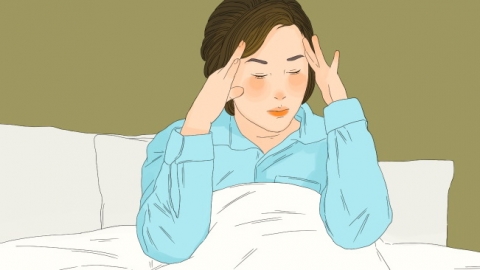
3. Optimize the sleep environment: Adjust indoor lighting, temperature, and ambient noise levels to maintain a dim, quiet, and comfortable bedroom. Tidy up bedding and surrounding areas to minimize external disturbances, thereby creating an atmosphere conducive to sleep and helping the body relax and drift off more easily.
4. Practice moderate relaxation: Engage in slow, deep breathing and gentle physical stretching to relax both body and mind, relieving muscular tension and mental restlessness. Such mild, soothing physical regulation helps calm nervous system hyperactivity and effectively counteracts the heightened alertness associated with insomnia.
5. Maintain consistent sleep-wake schedules: Stick to fixed bedtimes and wake-up times—even after a poor night’s sleep, rise at your usual hour without oversleeping. Long-term adherence to a stable routine helps regulate circadian rhythms, reduce day-night cycle disruptions, and decrease the likelihood of nighttime insomnia at its root.
During the day, engage in appropriate physical activity and avoid prolonged sitting or excessive daytime drowsiness. In the evening, avoid stimulants such as strong tea and coffee. Cultivate a tranquil, balanced mental and physical state to sustain healthy circadian regulation and prevent insomnia.


