


What symptoms can severe mental stress cause?

Excessive mental stress may trigger a range of symptoms—including emotional and psychological imbalance, reduced sleep quality, physical discomfort, diminished concentration, and abnormal behavioral patterns—thereby comprehensively undermining both mental and physical health and disrupting normal daily life and work. If stress-related discomfort persists over time, timely medical consultation and psychological support are essential.
1. Emotional and Psychological Imbalance: Chronic excessive mental stress can cause frequent mood fluctuations, often manifesting as irritability, low mood, or anxiety. Persistent inner tension and suppression gradually reduce emotional resilience, making even minor stressors liable to provoke emotional outbursts and impair one’s ability to maintain emotional stability independently.
2. Reduced Sleep Quality: Excessive mental stress continuously stimulates the nervous system, leading to difficulties falling asleep, light or fragmented sleep, and frequent dreaming during the night. Overall sleep quality declines significantly; upon waking, individuals often feel physically exhausted and lethargic. Prolonged sleep deprivation, in turn, further exacerbates psychological stress.
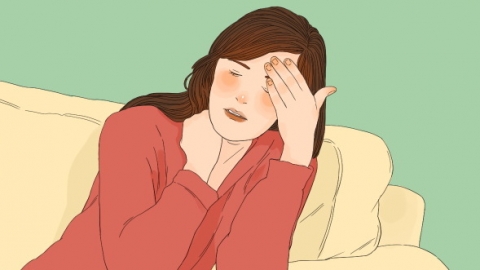
3. Physical Discomfort: Mental stress can induce various somatic responses, commonly including palpitations, chest tightness, dizziness, fatigue, and loss of appetite. The body remains in a state of persistent physiological dysregulation—experiencing recurrent discomfort despite the absence of identifiable organic disease—thus compromising baseline physical health.
4. Diminished Concentration and Cognitive Function: A high-stress state disrupts normal brain function, resulting in poor focus, impaired memory, and scattered, disorganized thinking. Daily productivity drops markedly; problem-solving becomes sluggish, and sustained attention for work or study tasks becomes increasingly difficult.
5. Abnormal Behavioral Patterns: Prolonged mental stress may lead to lethargy, procrastination, social withdrawal, and reduced motivation for physical activity. Some individuals may display impulsive or irritable behavior, while daily routines and behavioral rhythms progressively become chaotic and disordered.
In daily life, it is important to proactively manage and release psychological stress, allocate time reasonably between work and rest, spend more time in natural environments to soothe the mind, and maintain a relaxed, positive lifestyle—thereby sustaining long-term mental and physical equilibrium and protecting oneself from the harmful effects of chronic stress.


