


How long does eyelid swelling caused by kidney disease last?

Periorbital edema caused by kidney disease does not have a fixed resolution timeline. In mild cases, standardized treatment typically leads to gradual resolution within one to two weeks; however, in more severe cases, edema may persist for several weeks or recur repeatedly. Recurrent periorbital edema accompanied by increased foamy urine warrants prompt medical evaluation to rule out renal injury.
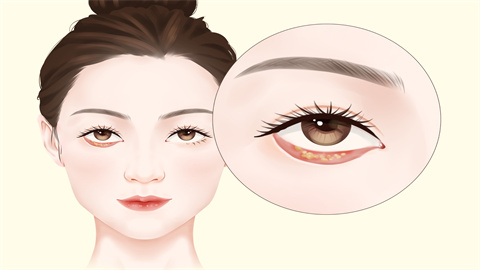
The underlying cause of periorbital edema in kidney disease is impaired glomerular filtration function, resulting in significant proteinuria and subsequent sodium and water retention. Symptoms are most pronounced upon waking in the morning. The speed of edema resolution correlates directly with the specific type of kidney disease and the degree of urinary protein control. Clinically targeted therapy—aimed at reducing proteinuria and improving renal metabolism—is essential for progressive edema relief; rest alone cannot eliminate the underlying pathological process.
If kidney disease remains poorly controlled and proteinuria persists, periorbital edema may become recurrent and prolonged, potentially progressing to lower-limb or even generalized edema. Even after temporary resolution, edema may reappear due to factors such as physical overexertion or inappropriate dietary habits. Patients must adhere consistently to their prescribed treatment plan and avoid discontinuing therapy prematurely upon observing edema improvement, thereby preventing disease fluctuations.
In daily life, strictly limit dietary sodium intake, avoid excessive fluid consumption, ensure adequate sleep, refrain from staying up late or overexerting oneself, and avoid indiscriminate high-protein supplementation. Monitoring facial appearance upon waking can help reduce systemic sodium and water retention and decrease the frequency of edema episodes.


