


Why is thyroid function tested in patients with kidney disease?

Thyroid function screening is a routine component of comprehensive evaluation for patients with kidney disease. Kidney injury persistently disrupts thyroid hormone metabolism; consequently, most patients with kidney disease exhibit varying degrees of thyroid dysfunction, which typically does not resolve spontaneously and requires long-term monitoring and management. Patients experiencing persistent fatigue and edema unresponsive to standard treatment should seek timely medical evaluation and undergo comprehensive, integrated testing.
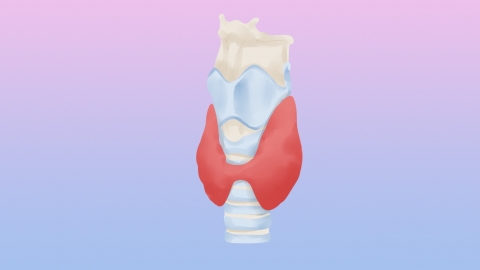
The kidneys serve as a vital organ for hormone metabolism and excretion, responsible for degrading and eliminating excess thyroid hormones. When renal function is impaired, hormonal clearance efficiency declines significantly, predisposing patients to hormonal metabolic disturbances—including hypothyroidism or fluctuating thyroid function. Clinically, thyroid function testing enables precise identification of complications and provides essential, comprehensive diagnostic data to guide integrated management of kidney disease.
Conversely, thyroid dysfunction exacerbates the burden on the kidneys—promoting sodium and water retention, worsening edema, and accelerating renal functional decline. During kidney disease treatment, physicians adjust therapeutic regimens based on thyroid function parameters to concurrently regulate endocrine status. This bidirectional intervention mitigates organ damage, effectively slows disease progression, and enhances overall treatment efficacy and recovery outcomes.
In daily life, maintaining regular sleep-wake cycles and a light, balanced diet—while limiting high-salt and high-fat foods—and engaging in consistent, moderate physical activity help stabilize systemic metabolic rhythms, preserve endocrine-kidney homeostasis, and minimize fluctuations in organ function.


