


What does “small kidney stones in both kidneys” mean?

Small bilateral renal calculi refer to tiny mineral deposits formed within both kidneys, representing an early-stage urinary tract stone condition. Most are less than 4 mm in diameter and can typically pass spontaneously through the urinary tract within one to three months with appropriate lifestyle adjustments. If you experience dull lower back pain or urinary discomfort, seek medical evaluation promptly to reassess the stone status.
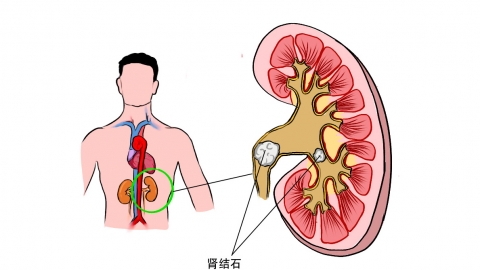
Small bilateral renal calculi commonly develop due to urine concentration and metabolic disturbances—elevated concentrations of substances such as calcium oxalate precipitate as crystals, which gradually accumulate and form stones within the kidneys. Because these stones are relatively small, they usually do not obstruct the urinary tract or cause renal tissue damage, and many patients remain asymptomatic. Clinically, conservative management—focused on facilitating spontaneous stone passage—is the primary treatment approach, involving increased fluid intake and physical activity.
If daily fluid intake is inadequate or dietary habits are suboptimal, small stones may progressively enlarge over several months, potentially leading to urinary tract obstruction or hydronephrosis. For stones that fail to pass spontaneously, pharmacologic therapy may be employed to aid stone expulsion—such medications relax the smooth muscle of the ureter, thereby accelerating stone transit. Regular monitoring helps effectively prevent kidney injury associated with stone growth.
In daily life, consistently drink warm water in small, frequent amounts to maintain adequate daily hydration. Engage regularly in vertical-axis physical activities such as jogging or jumping rope. Adopt a diet low in oxalate and purine to stabilize metabolic function and prevent ongoing crystal deposition and new stone formation.


