


Daily Care for Kidney Transplant Recipients

After kidney transplantation, patients can maintain optimal graft function through comprehensive daily care, including consistent medication adherence, strict dietary control, regulated sleep and exercise routines, regular monitoring of physical indicators, and proactive infection prevention. Any unusual fatigue or blood pressure fluctuations should prompt immediate medical evaluation.
1. Consistent Medication Management: Adhering strictly to the prescribed immunosuppressive regimen is the cornerstone of post-transplant care. Patients must take their anti-rejection medications regularly, at the correct doses and times, for life. Self-initiated discontinuation, dose reduction, or substitution of medications must be avoided to maintain stable immune suppression and prevent graft rejection.
2. Strict Dietary Control: Diet should emphasize light, low-sodium, low-fat, and high-quality protein foods. Spicy, greasy, and high-purine foods should be avoided. Fluid intake and nutritional balance must be carefully managed to reduce metabolic and filtration burdens on the transplanted kidney and support stable bodily metabolism.
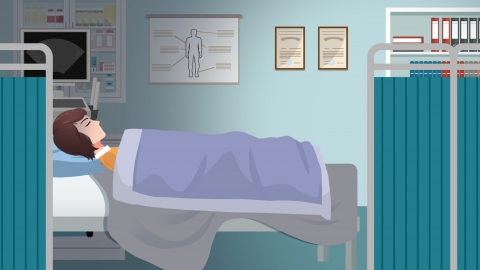
3. Regulated Sleep and Exercise: Patients should ensure adequate, consistent sleep and avoid staying up late or overexertion. Gentle physical activities—such as walking or slow-paced strolling—are recommended; strenuous exercise and heavy manual labor should be avoided. Such practices enhance overall physical fitness while safeguarding stable graft function.
4. Monitoring Physical Indicators: Daily self-monitoring of blood pressure, body weight, and urine output is essential. Regular follow-up tests—including renal function panels and complete blood counts—are required. Early detection of subtle abnormalities enables timely intervention, preventing minor issues from progressing into severe kidney injury.
5. Infection Prevention: Personal and environmental hygiene must be prioritized. Patients should minimize visits to crowded public places, maintain clean clothing, and practice diligent oral and skin care. Preventing common infections—such as colds or inflammatory conditions—is critical, as infections may trigger immune activation and subsequent graft rejection.
Maintaining a calm, balanced mental state—avoiding significant emotional fluctuations—and adhering to long-term, scheduled follow-up visits are vital. Cultivating healthy, stable lifestyle habits and consistently mitigating all potential risk factors ensure sustained, normal physiological function of the transplanted kidney.


