


Is a renal adenoma the same as a renal tumor?

Renal adenomas fall under the broader category of renal tumors but are benign kidney tumors with an extremely low risk of malignant transformation. Most patients show no progression or deterioration even after several years of long-term follow-up, distinguishing them fundamentally from malignant renal tumors. If a renal adenoma is detected during a physical examination, regular medical follow-up and monitoring are essential.
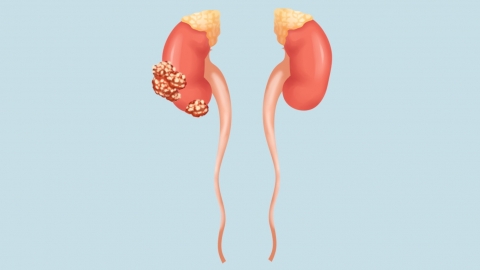
Renal adenomas are benign epithelial tumors arising from renal tissue. They grow slowly, do not invade surrounding tissues, and do not metastasize distantly. Small renal adenomas typically do not impair renal function and therefore require no specific treatment—only periodic imaging surveillance to monitor lesion changes. Clinically, renal adenomas represent a highly favorable renal condition with excellent prognosis.
Malignant renal tumors, by contrast, grow rapidly, progressively invade renal tissue, and may spread or metastasize; thus, early intervention and treatment are critical. Imaging studies can help differentiate tumor nature in clinical practice. For larger renal adenomas causing compression of renal tissue, minimally invasive surgery can achieve complete resection, thereby eliminating any local discomfort caused by mass effect.
In daily life, maintain a light, balanced diet; develop consistent hydration habits; avoid kidney-damaging behaviors such as chronic sleep deprivation and excessive alcohol consumption; preserve stable physical and mental health; engage in moderate, low-intensity exercise; and support healthy metabolic function to protect kidney health.


