


How to Treat Hypertension in the Elderly

Management of hypertension in older adults may involve standardized pharmacological regulation, dietary modification, improvement of daily routines, moderate physical exercise, and emotional regulation—tailored interventions that consider the unique physiological characteristics of elderly individuals. Significant blood pressure fluctuations accompanied by symptoms such as dizziness or chest tightness warrant prompt medical evaluation.
1. Standardized Pharmacological Regulation: Antihypertensive medications must be selected and administered strictly according to physician instructions, with dosages neither increased nor decreased arbitrarily, nor discontinued without medical guidance. Due to diminished autoregulatory capacity in older adults, blood pressure reduction should proceed gradually and steadily to avoid abrupt surges or drops—thereby minimizing risks of cardiovascular and cerebrovascular events.
2. Dietary Modification: Key dietary adjustments include strict sodium restriction, reduced intake of pickled, high-fat, and high-sugar foods, and increased consumption of fresh fruits and vegetables. Nutritional balance should be maintained while accommodating age-related declines in digestive function, thereby alleviating metabolic burden on blood vessels and supporting stable blood pressure control.
3. Improvement of Daily Routines: Ensuring adequate, regular sleep—and avoiding late-night activity—is essential. Older adults should avoid sudden rising from bed upon waking, especially in the morning, to prevent orthostatic blood pressure fluctuations triggered by postural changes. Sufficient rest helps mitigate sympathetic nervous system overactivity, thereby reducing stress-induced blood pressure elevation and preserving vascular health.
4. Moderate Physical Exercise: Recommended activities include gentle, low-impact exercises such as brisk walking and tai chi—avoiding vigorous or high-intensity exertion. Exercise duration and intensity should be adjusted according to individual tolerance levels to enhance systemic circulation and improve arterial elasticity. Any signs of discomfort during exercise (e.g., shortness of breath, dizziness, or chest pain) should be monitored closely and addressed promptly.
5. Emotional Regulation: Efforts should be made to minimize psychological stressors such as anxiety, anger, or acute emotional distress, all of which can trigger rapid, marked blood pressure spikes. Family members are encouraged to provide consistent emotional support and companionship, fostering a calm, reassuring environment to reduce emotion-driven hypertensive episodes.
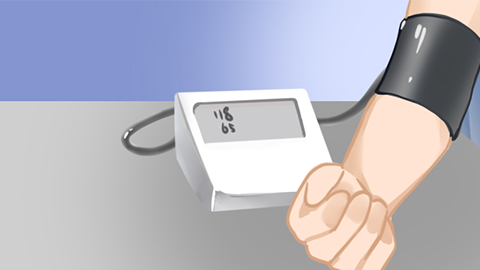
Routine, scheduled blood pressure monitoring—with accurate recording of readings—is strongly advised. Attention should also be paid to seasonal temperature variations; clothing should be adjusted accordingly based on personal comfort. Regular comprehensive health check-ups are essential to proactively mitigate the broad spectrum of health risks associated with hypertension.


