


What Are the Methods to Lower Blood Pressure?

Lowering blood pressure can be achieved through standardized pharmacological treatment, dietary modifications, consistent moderate physical activity, improved daily routines, and psychological regulation. The choice of intervention—either monotherapy or combination therapy—should be based on the individual’s blood pressure level. Persistent elevation in blood pressure accompanied by symptoms such as dizziness or chest tightness warrants prompt medical evaluation and management.
1. Standardized Pharmacological Treatment: Adhere strictly to your physician’s instructions regarding antihypertensive medications—take them at the prescribed times and doses; do not adjust dosage without medical guidance. Antihypertensive drugs help maintain stable blood pressure control and reduce the risk of cardiovascular and cerebrovascular damage. Drug selection must be individualized according to each patient’s specific health profile.
2. Dietary Modifications: Focus on reducing sodium intake, limiting consumption of pickled, high-fat, and high-sugar foods, and increasing intake of vegetables and whole grains. A balanced diet alleviates vascular strain and supports blood pressure regulation, making it an appropriate long-term lifestyle strategy for individuals with hypertension.
3. Consistent Moderate Physical Activity: Suitable aerobic exercises include brisk walking, tai chi, and slow jogging. Monitor both duration and intensity of exercise. Regular physical activity improves vascular elasticity, aids weight management, and indirectly supports blood pressure control. Exercise volume should be reduced during periods of blood pressure instability.
4. Improved Daily Routines: Avoid staying up late, ensure adequate sleep, and eliminate unhealthy habits such as smoking and excessive alcohol consumption. Sleep deprivation and stimulants like nicotine and alcohol can cause blood pressure fluctuations. Maintaining a regular schedule helps regulate autonomic nervous system function and minimizes abrupt blood pressure spikes triggered by external factors.
5. Psychological Regulation: Actively manage negative emotions—including anxiety, tension, and anger—to maintain emotional calmness. Excessive mental stress stimulates sympathetic nervous system activation, leading to transient but significant blood pressure elevation. Incorporating daily stress-relief techniques contributes to long-term blood pressure stability.
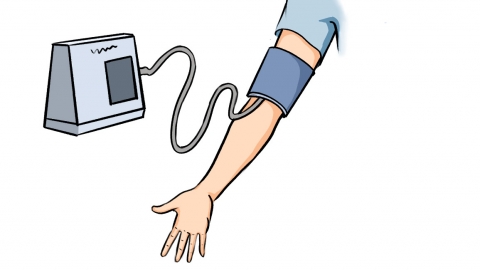
Routinely monitor blood pressure at scheduled intervals, document readings accurately, pay attention to ambient temperature changes, avoid excessive physical exertion, and undergo regular health check-ups to minimize all potential triggers of blood pressure fluctuation.


