


At what time of day is blood pressure measurement most accurate?

For relatively accurate blood pressure measurements, it is recommended to measure within one hour of waking up in the morning and again before going to bed in the evening. These two time points best reflect your baseline blood pressure, avoiding periods following physical activity, meals, or emotional excitement. If your blood pressure fluctuates significantly or if you experience dizziness or other discomfort, seek medical evaluation promptly.
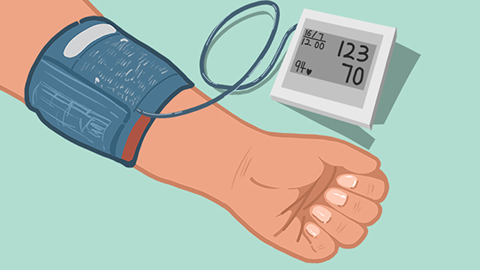
In the early morning, shortly after awakening from sleep, your body has not yet been influenced by external factors such as physical activity or food intake—thus yielding a blood pressure reading that most closely reflects your true physiological baseline. Before measurement, empty your bladder, sit quietly for several minutes, avoid caffeine-containing beverages (e.g., coffee or strong tea), and refrain from walking or talking to minimize external influences on the reading.
Evening pre-sleep measurement captures your blood pressure at the end of the day, helping assess overall daily blood pressure control. Avoid measuring immediately after meals; instead, wait at least one hour postprandially before taking a reading. Relying on a single measurement is not advisable—consistent morning and evening recordings provide a more comprehensive view of your blood pressure patterns and fluctuations over time.
During measurement, maintain an upright seated posture with your arm positioned at heart level. Record multiple consecutive readings, noting the date and time for each. Maintain regular sleep-wake cycles and minimize late-night activities to help stabilize blood pressure and reduce abnormal fluctuations.


