


What Are the Symptoms of High Blood Pressure?

High blood pressure may cause symptoms such as dizziness, headache, a sensation of head fullness or pressure, tinnitus, palpitations, chest tightness, visual disturbances, and limb numbness. Some patients may not experience any obvious symptoms during the early stages of the disease. If you frequently experience any of these symptoms, it is essential to seek medical attention promptly for blood pressure measurement and evaluation.
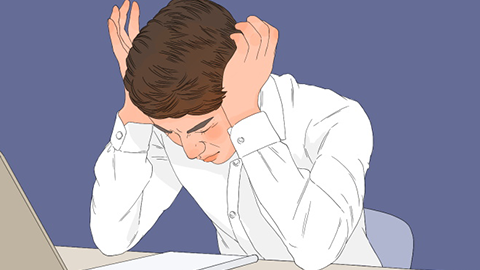
1. Dizziness and Headache: Dizziness and headache are common manifestations of hypertension, often localized to the occipital region (back of the head) and temples. Symptoms typically worsen when blood pressure fluctuates upward, accompanied by a feeling of heaviness or pressure in the head. These symptoms may persist despite rest and tend to recur.
2. Head Fullness and Tinnitus: Patients may feel a sensation of tightness or pressure in the head along with persistent ringing or buzzing sounds in the ears (tinnitus). Elevated blood pressure can lead to congestion in cerebral and inner ear blood vessels, impairing local blood supply. Tinnitus often becomes more pronounced following emotional stress or physical fatigue.
3. Palpitations and Chest Tightness: Palpitations and chest tightness may present as an accelerated heartbeat and a sensation of constriction or oppression in the chest. Chronically elevated blood pressure increases cardiac workload and myocardial oxygen demand. Symptoms often intensify after physical activity, warranting vigilance for potential cardiac involvement.
4. Visual Disturbances: Visual disturbances—such as blurred vision or seeing “floaters” or flashes—result from hypertensive effects on retinal blood vessels. Symptoms become especially prominent during acute blood pressure fluctuations. Do not dismiss them simply as presbyopia; instead, consider possible ocular changes secondary to hypertension.
5. Limb Numbness: Limb numbness commonly affects the fingers and extremities, sometimes accompanied by sensations of soreness or heaviness. Abnormal blood pressure impairs peripheral circulation and disrupts nerve perfusion. Persistent numbness should raise concern for progressive vascular damage.
Develop the habit of regularly monitoring your blood pressure. Reduce dietary salt intake, avoid extreme emotional fluctuations, ensure adequate sleep, and minimize late-night activities and excessive fatigue—these lifestyle modifications help mitigate the physical harm associated with abnormal blood pressure.


