


How is rheumatoid arthritis treated?

Rheumatic arthritis treatment encompasses multiple aspects, including anti-infective therapy, anti-inflammatory and analgesic therapy, rest and immobilization management, rehabilitative functional exercise, and prevention and control of complications. A comprehensive, individualized intervention strategy must be implemented based on the severity of the patient’s condition and overall physical status to minimize joint damage and prevent disease recurrence. Prompt medical consultation is advised if recurrent joint swelling, pain, or discomfort occurs.
1. Anti-infective Therapy: Rheumatic arthritis is frequently associated with streptococcal infection. Anti-infective treatment eliminates the underlying trigger, thereby reducing the frequency of disease relapse. Interventions must strictly follow clinical protocols to eradicate residual infectious foci and lower the risk of secondary damage to vital organs such as the heart and joints. Treatment must not be discontinued arbitrarily.
2. Anti-inflammatory and Analgesic Therapy: This approach primarily aims to alleviate joint redness, swelling, heat, and pain, mitigate systemic inflammatory responses, and improve patients’ daily functional capacity. During treatment, close attention must be paid to the patient’s tolerance, particularly gastrointestinal and other systemic reactions. Intervention intensity should be adjusted according to symptom evolution; self-modification of the treatment plan is strictly prohibited.
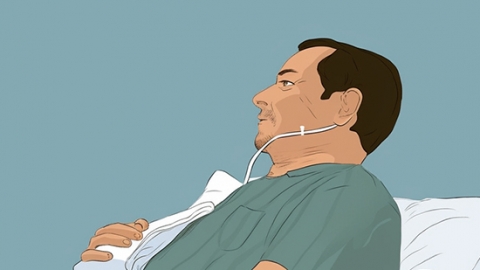
3. Rest and Immobilization Management: During acute exacerbations, patients should ensure adequate rest and minimize weight-bearing activities involving affected joints—avoiding running, jumping, or prolonged walking. Appropriate joint protection is essential to prevent external forces from aggravating swelling and pain. Once inflammation gradually subsides, daily activities may be cautiously resumed to shorten recovery time.
4. Rehabilitative Functional Exercise: Once inflammation is adequately controlled, gentle, stretching-oriented exercises can be progressively introduced. These exercises should involve all limb joints to maintain joint range of motion and prevent stiffness or contractures. Exercise progression must be gradual; high-intensity activities that risk additional injury must be avoided.
5. Complication Prevention and Control: Rheumatic arthritis may involve critical organs—especially the heart—and thus requires vigilant complication surveillance. Throughout treatment, patients should monitor for atypical symptoms such as palpitations or chest tightness. Regular physical examinations are essential to detect early signs of organ involvement, enabling timely intervention and minimizing long-term health risks.
In daily life, avoid residing in cold, damp environments; maintain whole-body warmth during seasonal transitions; adhere to regular sleep-wake cycles to enhance natural immunity; and promptly treat pharyngeal infections to reduce opportunities for streptococcal infection and lower the risk of rheumatic arthritis recurrence.


