


How is ankylosing spondylitis treated?
Aug 17, 2026
Source: Cainiu Health

Dr. Yang Tiesheng
Introduction
Treatment of ankylosing spondylitis includes pharmacological interventions, rehabilitation exercises, postural correction, physical therapy, and surgical treatment. As a chronic autoimmune disease, it requires long-term, comprehensive management to alleviate low back pain and delay spinal joint fusion and deformity. Prompt medical consultation is advised for persistent low back pain and stiffness. Pharmacological interventions primarily aim to control systemic inflammation.
Management of ankylosing spondylitis includes pharmacological therapy, rehabilitation exercises, postural correction, physical therapy, and surgical intervention. As a chronic autoimmune disease, ankylosing spondylitis requires long-term, comprehensive management to alleviate low back pain and delay spinal joint fusion and deformity. Prompt medical consultation is advised for persistent low back pain and stiffness.
1. Pharmacological Therapy: Medications primarily aim to control systemic inflammation, relieve pain and swelling in the lower back and joints, and slow down spinal bone destruction. Treatment must strictly follow physician instructions—patients should never discontinue medications on their own based on perceived symptom severity. During treatment, monitor for any adverse reactions and undergo regular laboratory and imaging assessments to ensure medication safety.
2. Rehabilitation Exercises: Rehabilitation exercise is a critical component of treatment. Preferred activities include chest expansion, spinal stretching, and swimming—gentle, low-impact modalities. Consistent exercise helps maintain spinal and thoracic mobility, preventing stiffness and fibrous adhesions. Exercise intensity should be progressive; during acute flare-ups, activity levels should be appropriately reduced.
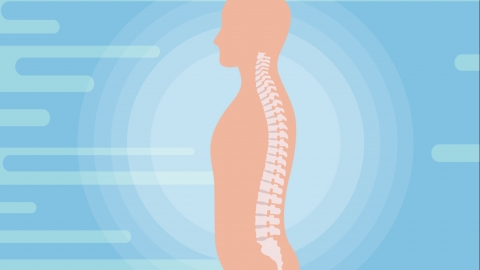
3. Postural Correction in Daily Life: Attention must be paid to posture during standing, sitting, and sleeping. Avoid prolonged forward bending or slouching, and minimize extended periods of sitting or lying down. Choose a mattress and pillow of moderate firmness for sleeping; avoid habitual curled-side sleeping positions, which may contribute to progressive kyphotic deformity. Take brief breaks throughout the workday to stand up and stretch the entire trunk.
4. Physical Therapy: Physical therapy improves local blood circulation, relaxes stiff lumbar and paraspinal muscles, and alleviates inflammatory discomfort such as soreness and aching. Commonly used modalities include heat-based therapies (e.g., hot packs, infrared therapy), which help reduce muscle spasm. While beneficial, physical therapy serves only as an adjunctive measure—not a substitute for standard pharmacological treatment—and must be integrated into the overall therapeutic plan.
5. Surgical Intervention: Surgery is generally reserved for patients with advanced, severe structural deformities or profound joint dysfunction. Indications include marked kyphosis or severe hip joint destruction significantly impairing ambulation and daily function. Following thorough clinical evaluation, corrective surgery may be considered. However, surgery has strict eligibility criteria and is not required—or appropriate—for all patients.
In daily life, avoid cold, damp environments; prevent sleep deprivation; actively guard against respiratory infections; maintain an optimistic outlook; avoid maintaining a single static posture for prolonged periods; and consistently practice proper body mechanics to minimize the risk of further spinal deformity progression.



