


Can people with high uric acid levels eat salmon?

Individuals with hyperuricemia (elevated serum uric acid) are advised to avoid consuming salmon. Salmon is a high-purine seafood; its intake increases serum uric acid levels and may trigger gout attacks—even in those with stable disease, it should be avoided whenever possible. Recurrent fluctuations in serum uric acid warrant timely medical consultation to adjust the management plan.
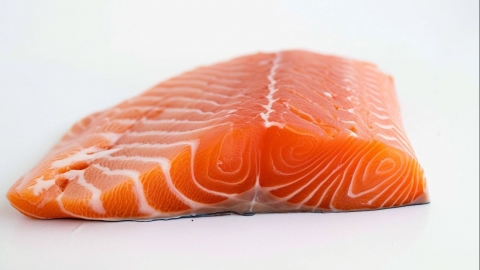
Salmon contains relatively high levels of purines. When consumed in large amounts, these purines are metabolized into uric acid, causing a rapid rise in blood uric acid concentration. Effective uric acid management involves both dietary modification and standardized medical treatment. Strict avoidance of high-purine foods—combined with appropriate clinical interventions—is essential to maintain serum uric acid within the target range and minimize joint damage caused by urate crystal deposition.
Some individuals mistakenly believe that cooking salmon reduces its purine content. In reality, although much of the purine leaches into the cooking broth, the fish meat itself still retains a substantial amount. During acute gout flares, salmon must be strictly avoided. Even in asymptomatic hyperuricemia, consumption increases the risk of gout onset; therefore, the misconception that “small amounts are harmless” should be firmly discarded.
In daily life, prioritize low-purine protein sources—including eggs, dairy, and lean meats—as well as vegetables and fruits. Ensure adequate daily fluid intake to support uric acid excretion, maintain a healthy weight, and limit alcohol consumption. These lifestyle measures collectively help stabilize serum uric acid levels and reduce the likelihood of gout attacks.


