


Can people with gout eat rice noodles?

Patients with gout can generally consume rice noodles, as their primary ingredient—rice—is a low-purine staple food that does not inherently elevate serum uric acid levels. However, attention must be paid to accompanying dishes and seasonings; inappropriate combinations may still trigger gout flares. Sudden redness, swelling, and pain in the joints require prompt medical evaluation and treatment.
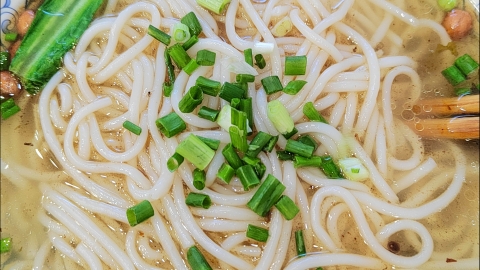
Rice noodles are made from processed rice and contain very low levels of purines, making them a suitable staple food for individuals with gout. Effective gout management relies on the combined use of pharmacotherapy and dietary control. Low-purine carbohydrate sources—such as rice and wheat-based foods—are preferred as staples, while high-purine foods—including meat broths, organ meats, and seafood—must be strictly limited to reduce uric acid production and lower the risk of acute gout attacks.
Most risks associated with rice noodle consumption stem from accompaniments and soup bases. Rich broths, seafood, and braised or cured organ meats introduce substantial amounts of purines, while heavily oil- and spice-laden seasonings may also provoke inflammatory responses. Plain, light-broth rice noodles are relatively safe; patients should avoid prolonged-simmered meat-based broths and minimize all high-purine toppings to prevent overburdening the body’s metabolic capacity.
In daily meals, opt for minimally seasoned rice noodles—limiting high-sodium and spicy condiments—and pair them appropriately with fresh vegetables. Maintain adequate hydration to support stable metabolism and assist the body in better regulating uric acid levels.


