


What should gout patients do about swelling?

Joint swelling in gout patients can be managed through bed rest with limb elevation, local cold compresses, pharmacological intervention, strict dietary control, and avoidance of triggering factors. Joint swelling indicates an active inflammatory phase requiring comprehensive management to alleviate local discomfort. If swelling progressively worsens, prompt medical attention is essential.
1. Bed rest with limb elevation: After joint swelling occurs, minimize ambulation and prioritize bed rest. Elevate the affected limb above heart level. This promotes venous return, reduces local joint congestion and edema, minimizes weight-bearing stress on the inflamed joint, and shortens the duration required for swelling resolution.
2. Local cold compresses: During the acute phase of gout-related swelling, local cold application is appropriate—it helps reduce localized hyperemia and alleviates pain and swelling. Avoid heat application, as it induces vasodilation and may exacerbate erythema, swelling, and inflammation. When applying cold compresses, carefully monitor duration to prevent frostbite; cold therapy serves only as an adjunctive measure within a comprehensive treatment plan.
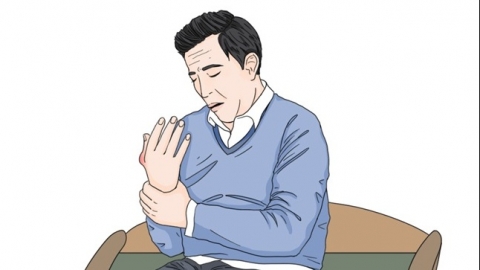
3. Pharmacological intervention: Medication is the primary method for controlling gout-associated swelling and inflammation. Drugs must be used strictly under physician guidance to suppress intra-articular inflammatory responses. Do not self-prescribe or take medications indiscriminately. Monitor your body’s tolerance and adjust the treatment regimen according to your clinical status, allowing inflammation to gradually subside.
4. Strict dietary control: During acute joint swelling episodes, adhere rigorously to a low-purine diet—avoid high-purine foods such as seafood, organ meats (e.g., liver, kidney), and concentrated meat broths. Completely abstain from alcoholic beverages and sugar-sweetened drinks. Increase intake of plain water to enhance uric acid excretion and prevent further deposition of urate crystals, thereby mitigating progression of swelling and pain.
5. Avoidance of precipitating factors: Identify and avoid all known triggers that may exacerbate gout. Prevent excessive physical exertion, protect joints from trauma or cold exposure, and avoid sudden, large intakes of high-purine foods. Certain medications may also affect serum uric acid levels; never initiate or discontinue such drugs without medical supervision. Minimizing external stimuli supports stable, gradual resolution of inflammation.
Even after swelling has resolved, continue adhering to a low-purine diet, maintain adequate daily fluid intake, follow regular sleep-wake cycles, and engage in moderate physical activity. These measures help stabilize serum uric acid levels and reduce the likelihood of recurrent gout-related joint swelling.


