


Can patients with coronary heart disease soak their feet in warm water?

Patients with coronary heart disease (CHD) may moderately soak their feet in warm water, but this practice is not suitable for everyone and requires strict control of both water temperature and duration. Foot soaking causes vasodilation in the lower limbs, potentially leading to fluctuations in heart rate and blood pressure; therefore, patients with unstable cardiac conditions should avoid it altogether. If chest tightness or palpitations occur frequently, seek medical evaluation promptly.
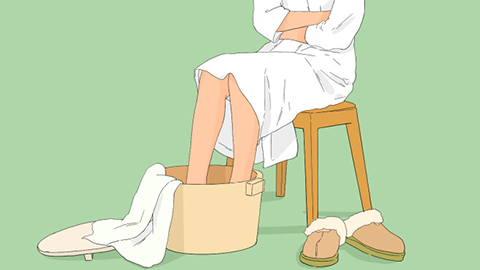
For CHD patients with stable disease, foot soaking in warm water at an appropriate temperature can improve peripheral circulation in the lower limbs and alleviate physical fatigue. However, the water temperature must not be excessively high, and soaking duration must be limited. The cornerstone of CHD management remains pharmacologic therapy and lifestyle modification; foot soaking serves only as a complementary daily health practice and cannot replace standard medical treatment. Should palpitations or chest tightness develop during foot soaking, discontinue immediately and rest.
Foot soaking is not recommended for patients experiencing frequent angina attacks or poorly controlled heart failure. Heat-induced vasodilation alters venous return, thereby increasing cardiac workload and potentially triggering myocardial ischemia. Patients should strictly adhere to prescribed treatment regimens, effectively manage cardiovascular risk factors—including dyslipidemia and hypertension—and minimize cardiac strain to reduce the risk of acute cardiovascular events.
Ensure adequate warmth before and after foot soaking. Avoid soaking on a full or empty stomach. After soaking, rise slowly to prevent orthostatic discomfort and maintain cardiovascular stability.


