


What causes headaches and dizziness that impair self-care ability?

Severe headache and dizziness impairing self-care may result from excessive fatigue, severe sleep deprivation, autonomic nervous system dysfunction, vestibular dysfunction, or cerebral hypoperfusion. These symptoms can be alleviated through adequate rest, adjustment of daily routines, and targeted pharmacotherapy. However, if symptoms persist or recur frequently, prompt medical evaluation is essential.
1. Excessive Fatigue: Prolonged exposure to high-intensity physical or mental exertion leads to systemic functional exhaustion. Reduced cerebral oxygenation triggers intense headache and dizziness; in severe cases, patients may lose the ability to perform basic activities independently. Immediate cessation of all tasks and resting supine in a quiet environment is recommended to minimize further physiological strain.
2. Severe Sleep Deprivation: Chronic sleep deprivation—such as habitual late-night activity—or extremely poor sleep quality prevents adequate neural restoration. Persistent cerebral hyperarousal results in vertigo, headache, and even postural instability. Establishing consistent sleep–wake schedules, ensuring sufficient sleep duration, and avoiding chronic sleep loss are strongly advised.
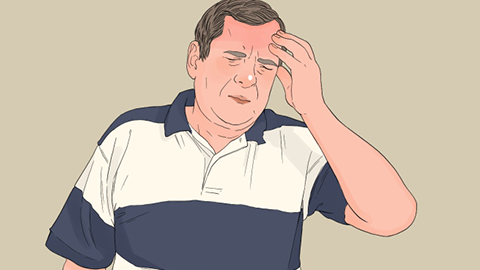
3. Autonomic Nervous System Dysfunction: Prolonged psychological stress or anxiety disrupts whole-body neuroregulatory mechanisms. Patients commonly experience pressure-like headache and vertigo, accompanied by generalized weakness and marked difficulty performing routine daily activities. Under physician guidance, medications such as oryzanol tablets, vitamin B1 tablets, and Yangxue Qingnao Granules may be used to alleviate symptoms.
4. Vestibular Dysfunction: Dysregulation of the vestibular system within the inner ear causes erroneous sensory signal processing. This manifests as severe vertigo and headache, often accompanied by nausea and postural imbalance, rendering voluntary movement impossible. Under medical supervision, medications including betahistine tablets, flunarizine hydrochloride capsules, and ginkgo biloba extract tablets may be prescribed to relieve symptoms.
5. Cerebral Hypoperfusion: Impaired cerebrovascular autoregulation reduces blood flow and oxygen delivery to brain tissue. This leads to persistent headache and dizziness, with episodes often associated with limb weakness and significant impairment in activities of daily living. As directed by a physician, medications such as Xuesaitong Soft Capsules, Naoxintong Capsules, and butylphthalide hydrochloride soft capsules may be used to improve cerebral perfusion. Additionally, maintaining regular daily routines, managing emotional stress, avoiding overexertion, and engaging in moderate, relaxing physical activity help protect cerebrovascular and neuronal health.


