


Can people with hypertension eat walnuts?

Individuals with hypertension may consume walnuts in moderation. Walnuts contain unsaturated fatty acids, which offer certain benefits to blood vessels; however, they are relatively high in calories and fat, and thus should not be consumed in large quantities. Dietary adjustments serve only as an adjunctive measure and cannot replace pharmacological treatment. If blood pressure remains poorly controlled, consult a healthcare professional promptly to adjust your treatment plan.
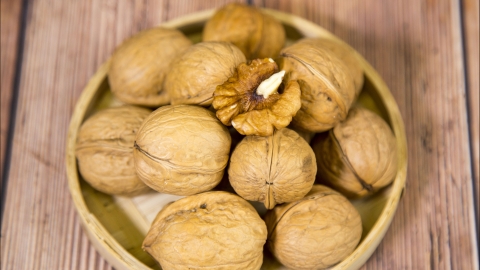
The nutrients in walnuts can help maintain vascular endothelial health, making them suitable for limited consumption by individuals with hypertension. However, due to their high oil content, excessive intake may lead to excess caloric intake, weight gain, and subsequent indirect fluctuations in blood pressure. The cornerstone of hypertension management is consistent, guideline-adherent use of antihypertensive medications, regular blood pressure monitoring, and integration of dietary modifications and physical activity to reduce the risk of complications.
Some hypertensive patients also have concurrent hyperlipidemia and must therefore strictly limit total walnut consumption. Daily intake should be carefully monitored—nuts should never be regarded as “antihypertensive foods.” After diagnosis of hypertension, self-management through diet alone is insufficient and cannot substitute evidence-based medical therapy. Long-term, physician-guided control of blood pressure is essential to minimize ongoing vascular damage.
In daily life, strictly limit sodium intake, maintain regular sleep-wake cycles, avoid intense emotional fluctuations, engage consistently in mild physical activity, and monitor blood pressure regularly to help sustain blood pressure within a healthy range.


