


What supplements are beneficial for hypertension?

Individuals with hypertension may incorporate foods such as black fungus, kiwifruit, flaxseeds, chickpeas, and skim milk into their daily diet for supportive nutritional benefits. These foods can assist in regulating metabolic function and maintaining vascular health. However, dietary supplementation cannot replace antihypertensive medications; individuals experiencing abnormal blood pressure should seek medical attention promptly.
1. Black Fungus: Rich in mucilaginous substances and various minerals, black fungus may help support vascular elasticity and is suitable for regular consumption by individuals with hypertension. Recommended cooking methods include light stir-frying or boiling into soups—avoid excessive oil and salt. Do not soak black fungus for prolonged periods. Moderation is key: consume appropriate portion sizes consistently rather than overeating; long-term, mild dietary support yields the greatest benefit.
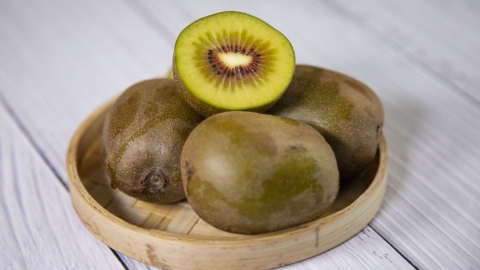
2. Kiwifruit: Kiwifruit is abundant in vitamins and potassium, which aid in regulating electrolyte balance and reducing vascular strain. It may be eaten raw—preferably fresh and fully ripe. Individuals with sensitive digestive systems should avoid consuming large quantities at once to prevent abdominal discomfort. While beneficial for general wellness, kiwifruit is not intended to directly lower elevated blood pressure readings.
3. Flaxseeds: Flaxseeds contain unsaturated fatty acids that offer auxiliary benefits for vascular health. For optimal nutrient absorption, grind flaxseeds before consumption. They can be sprinkled over porridge or staple foods; only small daily amounts are needed. Avoid flavored or heavily processed flaxseed products, and monitor total caloric intake to prevent excess energy consumption.
4. Chickpeas: Chickpeas provide high-quality plant-based protein and dietary fiber, supporting stable metabolism and making them a suitable partial substitute for staple grains among individuals with hypertension. They may be steamed or boiled and eaten directly, or added to soups. Use minimal salt and sauces during preparation. Overconsumption may cause bloating; therefore, rotate chickpeas with other whole grains in your diet.
5. Skim Milk: Skim milk retains calcium and high-quality protein while removing excess fat, making it an appropriate nutritional choice for individuals with hypertension. Consume moderate amounts daily, preferably selecting unsweetened varieties. Do not substitute with flavored or fortified dairy beverages. Ideal times for consumption include breakfast or before bedtime, integrated within an overall low-sodium,清淡 (light and bland) dietary pattern to maximize supportive effects.
In daily life, limit intake of pickled foods and high-fat, high-sugar snacks; maintain emotional calmness and avoid intense mood fluctuations. Engage regularly in gentle physical activity—such as slow walking—and monitor blood pressure consistently. Always follow your physician’s guidance for managing your condition.


