


What Causes the Sensation of a Weak Heart?

Feeling weak or “floppy” in the chest may stem from excessive physical fatigue, chronic sleep deprivation, cardiac neurosis, mild myocardial ischemia, or sinus arrhythmia. Symptoms can often be improved through adequate rest, regular sleep-wake cycles, and targeted pharmacotherapy. However, if such discomfort recurs frequently or persists, prompt medical evaluation is essential.
1. Excessive Physical Fatigue: Prolonged engagement in high-intensity physical labor or vigorous exercise leads to excessive energy depletion and significantly increased cardiovascular workload. As a result, cardiac pumping capacity declines, causing sensations of chest weakness, generalized fatigue, palpitations, and shortness of breath. It is advisable to discontinue strenuous activities immediately, ensure sufficient rest, and maintain a balanced routine integrating work and rest.
2. Chronic Sleep Deprivation: Long-term sleep loss—such as habitual late-night awakenings or insufficient total sleep duration—impairs normal cardiovascular recovery and disrupts autonomic nervous system regulation. This reduces cardiac contractile force, worsening symptoms like chest weakness and tightness, especially after exertion. Establishing consistent sleep habits and ensuring adequate nightly rest helps stabilize baseline physiological functions.
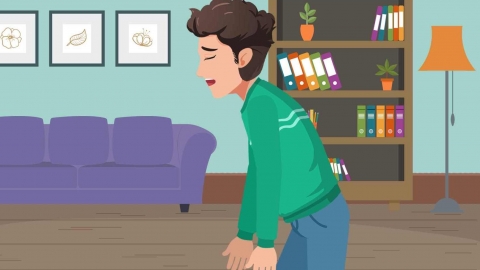
3. Cardiac Neurosis: Persistent psychological stress, anxiety, or emotional overload can disturb autonomic regulation of the cardiovascular system, thereby affecting normal cardiac rhythm. Patients commonly report subjective feelings of chest weakness, accompanied by palpitations, chest tightness, dyspnea, and irritability. Under physician guidance, medications such as oryzanol tablets, vitamin B1 tablets, and flupentixol/melitracen tablets may be prescribed to alleviate symptoms.
4. Mild Myocardial Ischemia: Slowed coronary blood flow results in inadequate oxygen and nutrient delivery to myocardial tissue, weakening cardiac contractility. Even minor physical activity may trigger sensations of chest weakness, often associated with chest tightness, generalized fatigue, and labored breathing. Under medical supervision, medications including Wenxin Keli (a traditional Chinese medicine formulation), isosorbide mononitrate tablets, and enteric-coated aspirin tablets may help relieve symptoms.
5. Sinus Arrhythmia: Minor dysfunction of the sinoatrial (SA) node—the heart’s natural pacemaker—leads to irregular heartbeat rhythms and reduced cardiac pumping efficiency. Patients may experience intermittent chest weakness and palpitations; some also report dizziness or chest tightness. Per physician recommendation, medications such as metoprolol tartrate tablets, propafenone hydrochloride tablets, and trimetazidine tablets may be used to improve symptoms.
In daily life, maintaining regular sleep-wake patterns, avoiding chronic sleep deprivation and overexertion, managing emotional well-being, and engaging in moderate aerobic exercise all contribute to preserving cardiovascular health and sustaining optimal cardiac function.


