


What Should You Pay Attention To After Undergoing Coronary Stent Placement?

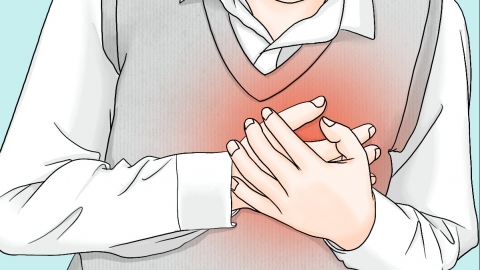
After undergoing coronary stent placement, patients should adhere to standardized medication regimens, attend regular follow-up visits and examinations, adjust their dietary habits, engage in scientifically appropriate physical activity, and manage emotions and sleep schedules—comprehensive self-management helps preserve stent efficacy and reduce the risk of recurrent cardiovascular events. Seek immediate medical attention if chest pain or tightness occurs.
1. Adhere strictly to prescribed medications: Proper medication adherence is the cornerstone of post-stent care. Patients must take all prescribed medications long-term as directed by their physician and must not discontinue or reduce doses without medical guidance. Unauthorized changes to medication regimens may trigger in-stent thrombosis—a potentially life-threatening complication. During treatment, monitor for any unusual physical reactions and promptly inform your physician to ensure ongoing safety and effectiveness of therapy.
2. Attend scheduled follow-up visits and examinations: Regular blood tests, electrocardiograms (ECGs), and other relevant assessments are essential to evaluate lipid profiles and overall cardiac function. Even if you feel well, these follow-up evaluations must not be skipped. Your physician will use the results to assess recovery progress, adjust treatment plans as needed, and detect early signs of vascular disease.
3. Optimize dietary patterns: Maintain a low-salt, low-fat diet; limit intake of organ meats, fried foods, and sweets. Increase consumption of whole grains, fresh vegetables, and fruits. Control portion sizes per meal and avoid overeating or binge eating. A heart-healthy diet helps slow the progression of arterial hardening, stabilizes blood lipid levels, and reduces the likelihood of further vascular injury.
4. Engage in scientifically appropriate physical activity: Choose gentle, low-impact exercises such as brisk walking or tai chi, tailored to your individual recovery status. Avoid heavy physical labor and vigorous exercise during the early recovery phase. Progress gradually and stop immediately if palpitations, chest pain, or discomfort occur. Consistent, moderate exercise improves cardiopulmonary function and supports overall postoperative recovery.
5. Regulate emotions and maintain healthy sleep-wake cycles: Strive to maintain emotional stability and minimize intense stressors such as anxiety or anger. Ensure adequate, high-quality sleep; avoid staying up late, smoking, and excessive alcohol consumption. Sudden emotional fluctuations and chronic fatigue significantly increase cardiac workload. Sustaining balanced mental and physical health lowers the risk of recurrent cardiovascular events.
Pay close attention to subtle bodily changes in daily life. Stay warm during cold weather to prevent vasoconstriction triggered by cold exposure. Balance work and rest appropriately, eliminate unhealthy habits, and commit to long-term maintenance of overall cardiovascular health.


