


What Are the Treatment Options for Tinnitus?

Tinnitus can be improved or alleviated through etiology-based targeted treatment, pharmacological adjunctive therapy, sound masking therapy, lifestyle adjustments, and psychological counseling. Given its complex and multifactorial causes—and its tendency to recur—patients experiencing persistent tinnitus should seek medical attention promptly.
1. Etiology-Based Targeted Treatment: This is the cornerstone of curative tinnitus management and involves identifying underlying causes such as ear inflammation, vascular abnormalities, or sleep-related stressors. Addressing the primary condition and eliminating its root cause enables gradual reduction—and often complete resolution—of most secondary tinnitus cases.
2. Pharmacological Adjunctive Therapy: This approach is indicated for tinnitus arising from poor microcirculation or neural damage. Under physician guidance, medications that improve cochlear blood flow and support neural nutrition may be prescribed; self-medication is strictly discouraged. Consistent adherence to prescribed regimens and regular follow-up evaluations help restore normal neural and vascular function in the auditory system.
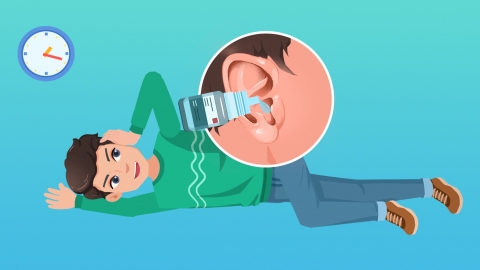
3. Sound Masking Therapy: This technique employs gentle white noise, flowing water sounds, or soft music to partially mask the perception of tinnitus. It helps reduce auditory discomfort and dampen hyperexcitability of the auditory nerve. With consistent long-term use, it can significantly lessen tinnitus-related interference with daily activities and emotional well-being.
4. Lifestyle Adjustment Therapy: Effective lifestyle management entails avoiding noisy environments, maintaining regular sleep-wake cycles, and minimizing sleep deprivation. It also includes refraining from high-volume headphone use, avoiding tobacco and alcohol, adhering to a light and balanced diet, and sustaining overall physical and mental stability. Long-term adherence supports auditory nerve health and reduces tinnitus frequency.
5. Psychological Counseling Therapy: This modality addresses anxiety, irritability, and other negative emotions commonly triggered by chronic tinnitus. Since psychological distress can intensify tinnitus perception, emotion regulation techniques and professional counseling help restore psychological equilibrium—thereby breaking the vicious cycle between mind and body and enhancing therapeutic outcomes.
In daily life, strive to remain in quiet, comfortable surroundings; avoid excessive physical fatigue and mental tension; and consciously relax both body and mind before bedtime. Consistently maintaining healthy sleep habits supports auditory nerve integrity and promotes overall physiological and psychological stability—ultimately reducing the frequency of tinnitus episodes.


