


What causes intermittent ear pain?

Intermittent ear pain may result from noise exposure, sleeping pressure on the ear, otitis externa, otitis media, or auricular neuralgia. Symptoms can be alleviated by avoiding triggers, adjusting sleep posture, and using targeted medications. However, if the pain recurs frequently or progressively worsens, prompt medical evaluation is essential.
1. Noise exposure: Prolonged exposure to high-decibel noise continuously stimulates the auditory nerve, triggering transient neural stress responses. Increased neural sensitivity in the ear may lead to intermittent, paroxysmal pain. It is recommended to promptly avoid noisy environments and routinely protect the ears to prevent chronic noise-induced irritation.
2. Sleeping pressure on the ear: Consistently sleeping on one side subjects the ear to prolonged mechanical compression, impairing local blood circulation. Transient ischemia of ear tissues may cause intermittent, dull discomfort. Alternating sleep positions is advised to avoid sustained unilateral ear compression and minimize localized tissue pressure.
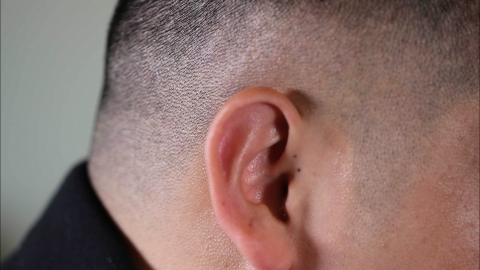
3. Otitis externa: Bacterial infection of the external auditory canal skin leads to localized inflammatory changes, with mucosal congestion and edema. Persistent inflammation irritates surrounding tissues, causing paroxysmal stabbing or burning pain. Under physician guidance, treatment may include ofloxacin ear drops, cefradine capsules, and erythromycin ointment to alleviate symptoms.
4. Otitis media: Pathogen invasion of the middle ear cavity induces inflammation and inflammatory exudate accumulation within the tympanic cavity, compressing adjacent structures. This results in intermittent ear pain; some individuals may also experience a sensation of ear fullness and mild hearing loss. Under medical supervision, medications such as cefixime capsules, phenol glycerin ear drops, and eucalyptus-citrus-pine enteric-coated soft capsules may help relieve symptoms.
5. Auricular neuralgia: Functional abnormalities of the peripheral auricular nerves cause aberrant neuronal discharges, resulting in pain. Pain is typically paroxysmal—stabbing or pulsating—and occurs unpredictably, often worsening with fatigue. Under physician guidance, medications such as mecobalamin tablets, vitamin B1 tablets, and ibuprofen sustained-release capsules may be used to improve symptoms.
Maintain cleanliness and dryness of the external auditory canal; avoid indiscriminate ear cleaning (e.g., with cotton swabs); prevent ear compression and noise exposure; and maintain regular sleep-wake cycles to effectively support auditory nerve and external ear canal health.


