What should I do if I experience a sensation of fullness or blockage in one ear?
Aug 18, 2026
Source: Cainiu Health

Dr. Lu Cheng
Introduction
A sensation of fullness or blockage in one ear can be addressed through methods such as removing foreign bodies from the external auditory canal, improving Eustachian tube ventilation, avoiding noise exposure, administering symptomatic medications, and undergoing specialized examinations for definitive diagnosis. Since numerous factors can cause ear fullness, prompt medical consultation is advised if symptoms persist for an extended period.
Removal of foreign bodies from the external auditory canal: This approach primarily targets ear fullness resulting from impacted cerumen (earwax) obstructing the ear canal.
Unilateral ear fullness or a blocked sensation can be managed through various approaches, including removal of external auditory canal foreign bodies, improving Eustachian tube ventilation, avoiding noise exposure, targeted pharmacological treatment, and specialized diagnostic evaluation. Since numerous factors may cause ear fullness, prompt medical consultation is advised if symptoms persist for an extended period.
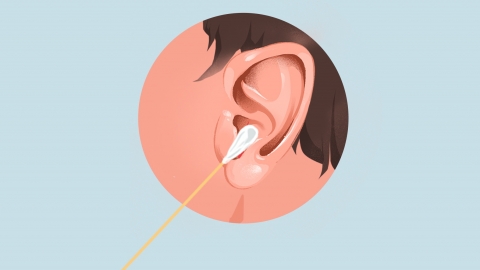
1. Removal of External Auditory Canal Foreign Bodies: This primarily addresses ear fullness caused by impacted cerumen (earwax) obstructing the ear canal. Avoid using cotton swabs or other rigid objects to probe deeply into the ear canal, as this may push cerumen further inward. In more severe cases, seek professional assistance for safe removal; relief from ear fullness typically follows successful clearance.
2. Improving Eustachian Tube Ventilation: This approach is commonly used when ear fullness is triggered by upper respiratory infections (e.g., common cold) or rhinitis. Gentle Valsalva maneuvers (e.g., pinching the nose and gently blowing while keeping the mouth closed) may help open the Eustachian tube. Actively managing nasal congestion and reducing nasal secretions lessen pressure on the Eustachian tube orifice. Once nasal patency is restored, middle ear pressure gradually normalizes, and the sensation of fullness progressively diminishes.
3. Avoiding Noise Exposure: This strategy applies particularly to unilateral ear fullness resulting from noise-induced injury. Immediately leave high-decibel environments and discontinue headphone use. Allow the ears adequate rest to minimize sustained stimulation of the auditory nerve. With proper rest, mild noise-induced damage often resolves gradually, alleviating the sensation of ear fullness.
4. Targeted Pharmacological Treatment: Medications are indicated when ear fullness stems from otitis media or rhinitis. Drug selection must be guided by the underlying condition—self-medication is strongly discouraged. Follow professional medical advice to treat the root cause effectively, thereby restoring normal middle ear pressure and relieving the sensation of ear blockage.
5. Specialized Diagnostic Evaluation: Comprehensive assessment—including otoscopy and audiometric testing—is essential to identify potential pathologies involving the inner ear or tympanic membrane. Many causes of ear fullness are not discernible by visual inspection alone; diagnostic testing helps pinpoint the exact etiology. Based on findings, an individualized management plan can be formulated to prevent disease progression.
In daily life, avoid routinely cleaning the ears with sharp or inappropriate tools. During bathing or hair washing, take precautions to prevent water from entering the ear canal. When experiencing ear fullness, reduce headphone usage and monitor hearing changes closely, minimizing exposure to external factors that may harm the ear.