


What Are the Symptoms of Tonsillitis?

Common symptoms of tonsillitis include sore throat, redness and swelling of the tonsils, difficulty swallowing, fever with chills, and enlarged submandibular lymph nodes. Tonsillitis can be classified as either acute or chronic, and symptom severity varies among individuals. If you experience high fever and severe throat pain that impairs eating, seek medical attention promptly.
1. Sore Throat: Sore throat is the most typical symptom of tonsillitis. Pain intensifies significantly during swallowing. In mild cases, patients may experience a dull, persistent pharyngeal discomfort; as inflammation worsens, sharp, stabbing pain may develop—sometimes radiating to the ear—interfering to varying degrees with speaking and eating.
2. Redness and Swelling of the Tonsils: Tonsillar redness and swelling can be observed by opening the mouth. The tonsils appear enlarged, with visibly congested, reddened mucosa. During acute episodes, white exudates may appear on the tonsil surface. The degree of redness and swelling generally correlates with the severity of inflammation; swelling gradually subsides as inflammation comes under control.
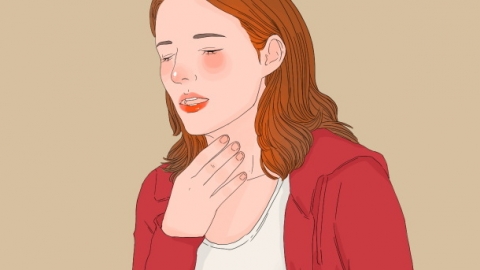
3. Difficulty Swallowing: This results from mechanical irritation caused by enlarged tonsils, which encroach upon the pharyngeal space and obstruct food passage. Mild cases may only cause discomfort during eating, whereas severe cases can make even drinking water unpleasant. Some individuals may also experience increased salivation.
4. Fever and Chills: Fever and chills reflect systemic infection. Acute tonsillitis commonly causes elevated body temperature and generalized cold intolerance and fatigue. Mild cases may present only with low-grade fever, while more severe infections lead to persistent high fever accompanied by generalized myalgia. High fever is uncommon in chronic tonsillitis.
5. Enlarged Submandibular Lymph Nodes: Lymph node enlargement beneath the jaw reflects inflammatory spread. Palpable, tender, enlarged nodes may be felt in the submandibular region. This reactive lymphoid hyperplasia occurs in response to inflammation and gradually resolves as tonsillar inflammation improves.
In daily life, drink plenty of warm water, ensure adequate sleep, maintain good oral hygiene (e.g., rinse mouth after meals), avoid spicy and heat-inducing foods, dress warmly to prevent cold exposure and upper respiratory infections, and thereby reduce the risk of recurrent tonsillitis.


