


What should I do if pharyngitis causes fever?

Pharyngitis-induced fever can be managed through adequate rest and recuperation, physical cooling measures, local pharyngeal care, symptomatic pharmacological intervention, and close monitoring of disease progression. Fever indicates a pronounced inflammatory response; persistent high-grade fever warrants prompt medical consultation.
1. Adequate Rest and Recuperation: Upon developing fever, physical activity should be minimized and sufficient sleep ensured to reduce the body’s energy expenditure. Avoid staying up late or overexertion, and refrain from speaking loudly to lessen strain on the pharynx. This allows the body to concentrate its resources on combating inflammation, thereby facilitating normalization of body temperature and accelerating overall recovery from pharyngitis.
2. Physical Cooling Measures: When body temperature is elevated, gently wipe the forehead, axillae, and groin areas with lukewarm water to promote heat dissipation. Do not use alcohol for skin wiping. Ensure proper indoor ventilation and wear lightweight, breathable clothing to facilitate heat loss—these measures are particularly suitable as adjunctive therapy during mild-to-moderate fever.
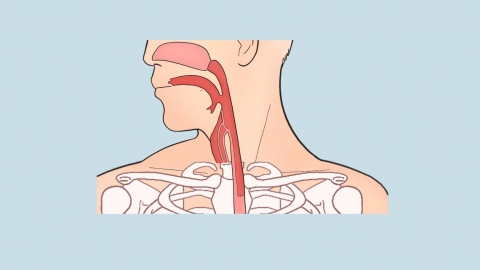
3. Local Pharyngeal Care: Drink ample warm plain water to maintain pharyngeal moisture. Gargling with diluted saline solution may help alleviate mucosal congestion in the throat. Avoid spicy, excessively hot, or hard foods; instead, opt for soft, bland, easily digestible meals to minimize external irritation and relieve soreness, swelling, and discomfort associated with pharyngitis.
4. Symptomatic Pharmacological Intervention: Select appropriate medications based on both fever severity and pharyngeal symptoms, aiming to address both fever reduction and pharyngitis management. Do not self-prescribe or combine multiple medications arbitrarily; always follow professional medical guidance. During treatment, closely observe bodily responses and monitor whether fever and pharyngeal symptoms gradually improve.
5. Close Monitoring of Disease Progression: Regularly record body temperature and monitor changes in throat pain, mental status, and oral intake. If fever recurs, pharyngeal pain progressively worsens, or respiratory distress develops, home-based management is no longer appropriate—further clinical evaluation and adjustment of the comprehensive treatment plan are required.
In addition, increase intake of warm water and prioritize liquid or semi-liquid diets. Maintain optimal indoor humidity, avoid exposure to cooking fumes or airborne dust, and limit outdoor activities—especially in cold or windy conditions—to support timely resolution of inflammation and alleviate both fever and pharyngeal discomfort.


