


What Causes Itching of the Vulva?

Itching of the external genitalia (vulva) may result from various causes, including irritation by genital sweat, friction from synthetic-fiber clothing, vulvovaginal candidiasis, bacterial vaginosis, or vulvitis. Symptoms can be alleviated through measures such as maintaining local dryness, changing undergarments regularly, and using appropriate medications. If itching persists without improvement, prompt medical consultation is advised.
1. Irritation by genital sweat: The genital area contains abundant sweat glands; accumulation of sweat on the vulvar skin leads to persistent irritation. Increased local skin sensitivity then triggers itching. It is recommended to clean the vulva promptly, keep it dry and well-ventilated, avoid prolonged sitting, and minimize sweat accumulation.
2. Friction from synthetic-fiber clothing: Tight-fitting undergarments made from non-breathable synthetic fabrics repeatedly rub against the vulvar skin, compromising the skin’s protective barrier. This irritation may cause intermittent itching and, in some cases, mild erythema. Switching to loose-fitting, 100% cotton underwear—and minimizing wear of tight clothing—can help reduce local friction.
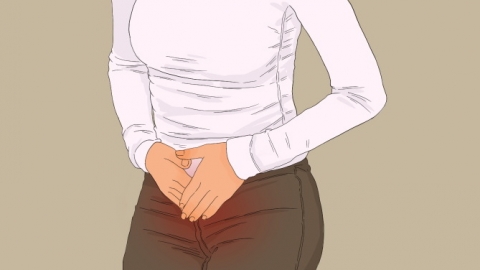
3. Vulvovaginal candidiasis: An imbalance in vaginal microbiota leads to overgrowth of Candida species, triggering localized inflammatory reactions. Prominent vulvar itching commonly occurs, often accompanied by increased vaginal discharge with altered consistency (e.g., thick, curd-like). Treatment should be guided by a healthcare provider and may include antifungal agents such as clotrimazole vaginal suppositories, fluconazole tablets, or miconazole nitrate vaginal suppositories.
4. Bacterial vaginosis: Overproliferation of anaerobic bacteria disrupts the vaginal microenvironment, resulting in inflammatory secretions that discharge externally. These secretions continuously irritate the vulva, causing itching and often producing thin, grayish-white discharge. Under medical supervision, treatment options may include metronidazole vaginal suppositories or oral tablets, or clindamycin vaginal cream.
5. Vulvitis: Invasion of the vulvar skin by external pathogens induces superficial inflammation, characterized by cutaneous and mucosal hyperemia. Intense vulvar itching is typical; scratching may lead to erythema and even minor skin abrasions. Symptom management, per physician guidance, may involve topical antibiotics such as erythromycin ointment or mupirocin ointment, or systemic antibiotics like levofloxacin tablets.
Routine vulvar hygiene is essential: avoid douching the vaginal canal; change undergarments frequently; maintain vulvar cleanliness; and minimize all forms of external irritation to the vulvar skin.


