


If a pregnant woman feels short of breath, will the fetus become hypoxic?

Mild, transient chest tightness and shortness of breath in pregnant women generally do not cause fetal hypoxia. However, prolonged or frequent dyspnea—or severe respiratory distress—can reduce maternal blood oxygen levels, thereby diminishing placental oxygen and blood supply, increasing the risk of fetal hypoxia. Frequent episodes of chest tightness and shortness of breath during pregnancy warrant prompt medical evaluation.
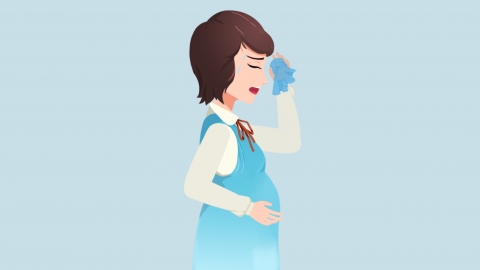
As the uterus enlarges during pregnancy, it exerts pressure on the thoracic cavity, restricting lung expansion. Consequently, most pregnant women experience mild shortness of breath or wheezing—a normal physiological phenomenon. The maternal body possesses intrinsic capacity to regulate blood oxygen levels; brief episodes of respiratory discomfort are usually self-compensated, and the placenta continues to deliver adequate oxygen to the fetus, supporting normal fetal growth and development without requiring excessive anxiety.
If persistent breathlessness occurs during pregnancy—especially when accompanied by chest tightness, dizziness, or other symptoms—maternal blood oxygen saturation may decline continuously. This compromises placental oxygen delivery, leading to intrauterine fetal hypoxia, which may manifest as abnormal fetal movement. Prolonged, severe hypoxia can adversely affect fetal development; therefore, timely investigation for underlying cardiopulmonary or pregnancy-related conditions is essential, followed by targeted interventions to alleviate symptoms.
In daily life, adopt a lateral decubitus position for rest whenever possible, slow down your breathing rhythm, avoid prolonged sitting or standing and excessive physical activity, ensure good indoor air circulation, and maintain stable physiological homeostasis to relieve respiratory discomfort caused by thoracic compression.


