


What Types of Fish Are Good for Pregnant Women to Eat?

Pregnant women may safely consume fish such as sea bass, crucian carp, cod, sole (tongue fish), and yellow croaker. These fish feature tender flesh, rich nutritional content, and few bones—making them ideal for meeting the increased nutritional demands of pregnancy and supporting fetal development. If you have any concerns regarding dietary choices during pregnancy, consult your healthcare provider promptly.
1. Sea Bass: Sea bass has tender, flavorful flesh and low fat content, while being rich in high-quality protein and various trace elements—aligning well with the physiological needs of pregnancy. Its meat is easily digested and absorbed, placing minimal strain on the gastrointestinal tract, making it suitable for regular, moderate consumption throughout pregnancy.
2. Crucian Carp: Crucian carp offers a well-balanced nutritional profile, abundant in high-quality protein and essential minerals. When prepared as a gentle stew, it effectively replenishes nutrients required during pregnancy. Its mild, nourishing properties suit the constitution of pregnant women, providing adequate nutritional support for both mother and fetus.
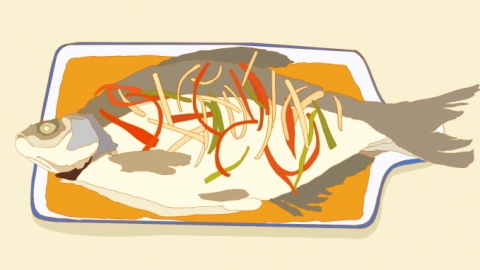
3. Cod: Cod is a deep-sea fish with pure, bone-free flesh, rich in high-quality protein and unsaturated fatty acids—ideal for fulfilling pregnancy-specific nutritional requirements. Its mild flavor and easy digestibility place minimal burden on metabolic processes, making it appropriate for consumption at all stages of pregnancy.
4. Sole (Tongue Fish): Sole features exceptionally tender flesh with no intermuscular bones, ensuring high food safety. It is rich in multiple essential nutrients, helping meet the heightened nutritional demands of pregnancy. Its mild nature suits the delicate gastrointestinal condition common in pregnancy, minimizing the risk of digestive discomfort.
5. Yellow Croaker: Yellow croaker is highly nutritious, with high protein content and abundant vitamins essential for human health. Its delicate, mild flavor makes it especially palatable. Moderate consumption helps fulfill pregnancy-related nutritional needs; its gentle, nourishing properties make it an excellent choice for daily dietary integration during pregnancy.
When preparing fish, opt for gentle cooking methods such as steaming or slow simmering to ensure thorough cooking. Avoid raw or cold fish entirely. Control portion sizes per meal and complement fish intake with fruits and vegetables to maintain balanced, comprehensive nutrition throughout pregnancy.


