


Do adult women ovulate every month?

Healthy adult women do not necessarily ovulate every month. While regular ovulation is typical for most women of childbearing age, anovulatory menstrual cycles—where menstruation occurs without ovulation—can occasionally happen. Factors such as staying up late or experiencing stress may temporarily suppress ovulation; this is a common physiological fluctuation. However, if menstrual irregularities persist over the long term, prompt medical evaluation and management are recommended.
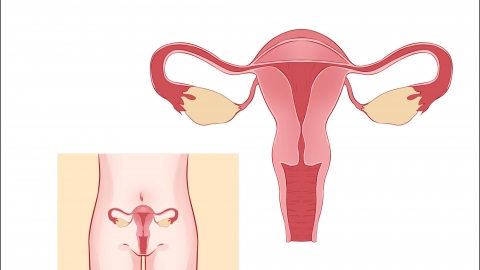
In women of childbearing age with stable physical health, the ovaries typically complete one ovulatory cycle per month, coordinated with hormonal fluctuations to produce regular menstruation. Ovulation can be disrupted by various external factors: short-term psychological stress, excessive fatigue, or irregular sleep–wake patterns may impair the hypothalamic–pituitary–ovarian (HPO) axis, leading to abnormal follicular development and subsequent anovulation in that cycle.
A single episode of anovulation generally does not require aggressive intervention, as the body often self-corrects and resumes normal ovulatory cycles. However, chronic or persistent anovulation directly disrupts menstrual regularity and compromises normal fertility. It is frequently associated with endocrine disorders or ovarian dysfunction and thus warrants timely medical assessment and intervention to restore physiological balance.
Maintain consistent daily routines and emotional stability; engage regularly in moderate aerobic exercise; consume a balanced, nutrient-rich diet; and thereby support hormonal homeostasis, optimal ovarian metabolism, and regular ovulatory function.


