


How is ovarian cyst treated?

Ovarian cyst treatment includes regular monitoring and follow-up, lifestyle adjustments, pharmacological interventions, minimally invasive surgery, and laparotomy. The optimal treatment approach must be determined based on comprehensive evaluation of cyst size, nature (e.g., physiological vs. pathological), and associated symptoms. If an ovarian cyst is detected during gynecological examination, prompt medical consultation is essential.
1. Regular Monitoring and Follow-up: Small, physiologic cysts often resolve spontaneously and typically require no specific intervention. Adhere to your physician’s recommendations for scheduled ultrasound examinations to track changes in cyst size, and remain attentive to any symptoms such as abdominal pain or menstrual irregularities. Avoid initiating unnecessary treatments without medical guidance.
2. Lifestyle Modifications: Maintain a regular sleep-wake schedule, consume a balanced diet, manage body weight, minimize sleep deprivation, and reduce emotional stress. These measures help stabilize endocrine function, support natural ovarian regulation, and lower the risk of cyst progression—particularly suitable for individuals with mild disease.
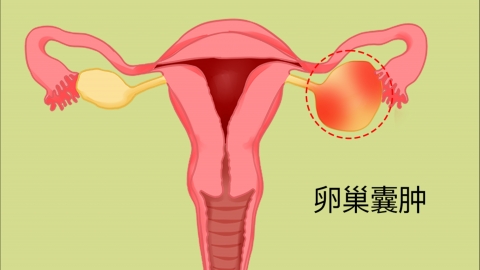
3. Pharmacological Intervention: Certain types of ovarian cysts may be managed under physician supervision with medications aimed at regulating hormonal balance. Strictly adhere to prescribed dosages and schedules; self-medication is strongly discouraged. Regular follow-up examinations are essential during treatment to monitor cyst response and progression.
4. Minimally Invasive Surgery: When surgical intervention is indicated, minimally invasive techniques (e.g., laparoscopy) are generally preferred due to smaller incisions, reduced tissue trauma, and faster postoperative recovery. This approach enables precise removal of the cyst while preserving healthy ovarian tissue. Postoperatively, adequate rest, timely follow-up visits, and attention to menstrual patterns and abdominal sensations are crucial.
5. Laparotomy: Laparotomy may be necessary for extremely large cysts or in emergency situations such as ovarian torsion or cyst rupture. This open surgical approach provides superior visualization and access, facilitating safe management of complex or complicated lesions. Postoperative wound care and adherence to scheduled follow-up examinations—as directed by your physician—are vital for optimal recovery.
In daily life, limit intake of high-fat and high-sugar foods, engage in moderate physical activity regularly, keep the abdomen warm during menstruation, maintain emotional well-being, and undergo routine gynecological screening to detect ovarian abnormalities early.


