


How to treat cough with phlegm

Cough with phlegm may result from airborne dust irritation, insufficient water intake, acute upper respiratory tract infection, bronchitis, pharyngitis, or other causes. Symptoms can be alleviated by avoiding irritants, increasing fluid intake, and using appropriate medications. However, if symptoms persist or progressively worsen, prompt medical consultation is essential.
1. Airborne dust irritation: Inhalation of airborne dust and particulate matter into the respiratory tract can irritate airway mucosa, triggering mild mucus secretion. The body responds with coughing to expel this secretion, resulting in mild productive cough. It is recommended to wear masks regularly, ensure indoor ventilation, and clean the environment routinely to minimize inhalation of foreign particles.
2. Insufficient water intake: Inadequate daily fluid intake leads to dryness of the respiratory mucosa and concentration/accumulation of mucus. Airway irritation then triggers coughing, and the resulting sputum becomes thick and difficult to expectorate. It is advised to drink sufficient warm water daily to moisten the respiratory mucosa, dilute sputum, and relieve throat discomfort.
3. Acute upper respiratory tract infection: Viral or mild bacterial infection of the respiratory tract causes mucosal congestion and edema, leading to abnormally increased secretions. Patients typically present with cough and sputum production, often accompanied by nasal congestion and sore throat. Under physician guidance, medications such as compound amantadine paracetamol tablets, ambroxol oral solution, and acetylcysteine granules may be used to alleviate symptoms.
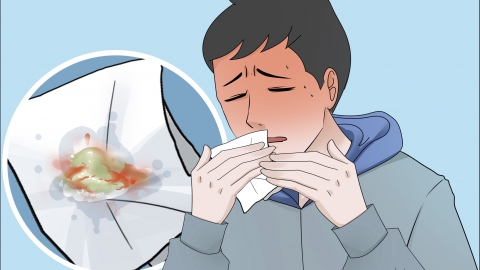
4. Bronchitis: Inflammatory changes in the bronchial mucosa lead to hypersecretion by airway glands, producing large amounts of inflammatory sputum. Patients experience recurrent cough with copious sputum; symptoms markedly worsen upon exposure to cold. Under physician guidance, medications such as amoxicillin capsules, ambroxol-terbutaline oral solution, and roxithromycin dispersible tablets may be prescribed to relieve symptoms.
5. Pharyngitis: Pathogen invasion induces inflammation of the pharyngeal mucosa, increasing local exudation and causing mucus to adhere to the pharynx. This results in an irritating cough, often with white or small amounts of yellow sputum, and a persistent sensation of a foreign body in the throat. Under medical supervision, medications such as cefalexin capsules, Pudilan anti-inflammatory oral liquid, and carbocisteine oral solution may be used to improve symptoms.
In daily life, maintain fresh, humid indoor air; drink ample warm water; follow a light diet; avoid spicy and greasy foods; maintain regular sleep-wake cycles; and strengthen the defensive capacity of the respiratory mucosa.


