


How many days does it typically take to recover from fever caused by influenza?

Fever caused by common influenza typically lasts three to five days; individuals with stronger constitutions may experience a shorter illness duration, while some people may have fever persisting for up to approximately one week. The duration of fever is closely related to individual immune status and whether early intervention is initiated. If high fever persists without subsiding or if respiratory distress occurs, prompt medical evaluation and treatment are essential.
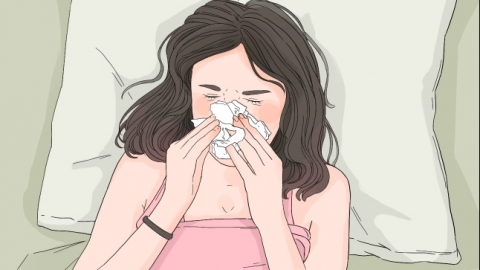
Influenza is caused by infection with the influenza virus and typically has an abrupt onset, often presenting with sudden high fever accompanied by systemic symptoms such as generalized myalgia and fatigue. Antiviral and symptomatic treatment initiated early in the disease course can shorten the duration of fever and alleviate physical discomfort. Most patients gradually experience defervescence over three to five days with adequate rest; however, symptoms such as persistent fatigue may continue for a longer period.
In certain vulnerable populations—including elderly individuals, young children, and those with compromised immunity—fever may last longer and secondary pulmonary infections may develop, potentially worsening the clinical condition. Management primarily focuses on antipyretics, rehydration, antiviral therapy, and supportive care; antibiotics should not be used indiscriminately. If fever persists beyond five days without improvement, clinicians should consider possible co-infections and perform additional diagnostic evaluations to refine the treatment plan.
During illness, ensure adequate sleep, drink ample warm water, maintain a light and easily digestible diet, minimize outdoor activities, ensure proper indoor ventilation, and reduce physical exertion—all of which support the body’s immune response against the virus and promote faster recovery.


