


Can you eat eggs when you have a cold?

During a cold, it is acceptable to consume eggs in moderation. Eggs provide high-quality protein that supports bodily repair; the notion that eggs are “heat-inducing” foods that worsen colds is unfounded. However, intake should be controlled, and preparation methods should remain light and simple. If a cold persists for an extended period accompanied by high fever, coughing, or wheezing, prompt medical attention is advised.
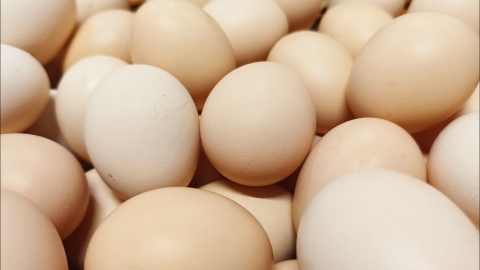
During a cold, the body’s energy expenditure increases and immunity declines. Eggs are rich in high-quality protein and various trace elements, helping supply essential nutrients and support physical recovery. Avoid frying or pan-frying—these methods add excessive oil and may burden the gastrointestinal tract. Instead, opt for lighter cooking methods such as boiling or steaming. Management of the common cold primarily focuses on symptomatic relief and adequate rest; increasing fluid intake and minimizing physical exertion are also key.
Some individuals experience reduced digestive function during a cold. Consuming large quantities of eggs at once may lead to abdominal distension or indigestion. In cases of high fever and significantly diminished appetite, egg intake should be reduced, with easily digestible foods—such as congee—preferred instead. There are no specific food restrictions for the common cold; the priority is maintaining a balanced diet while avoiding heavily oily or spicy foods, combined with proper rest to facilitate recovery.
Drink plenty of warm water daily, ensure sufficient rest, ventilate indoor spaces regularly, avoid overexertion, and include fruits and vegetables with meals to maintain nutritional balance—supporting a swift return to optimal health.


