


How to manage chickenpox

Chickenpox can be managed through isolation and rest, localized skin care, physical fever reduction, symptomatic medication, and close monitoring of disease progression. As a contagious disease, chickenpox typically resolves with supportive, symptomatic care; however, persistent high fever or respiratory symptoms such as coughing and wheezing warrant prompt medical attention.
1. Isolation, Rest, and Care: Upon diagnosis, strict isolation is essential to prevent transmission to individuals who have never had chickenpox—thus interrupting the chain of infection. Ensure adequate bed rest and minimize outdoor activities to conserve energy. Ventilate indoor spaces regularly to maintain air circulation and keep the living environment clean. Isolation may be lifted only after all vesicles have fully crusted over.
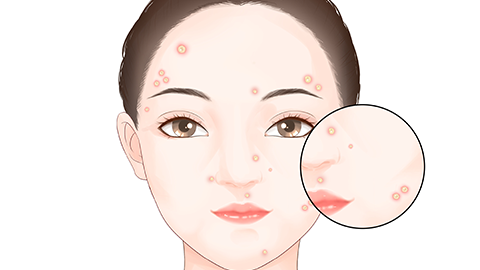
2. Localized Skin Care: Wear loose-fitting, soft cotton clothing to minimize friction against lesions. Keep fingernails trimmed short to avoid scratching, which may lead to scarring or secondary bacterial skin infection. Maintain skin cleanliness using mild, lukewarm water for bathing; avoid vigorous scrubbing of affected areas to reduce additional irritation.
3. Physical Fever Reduction: Many patients with chickenpox experience fever. For low-grade fever, physical cooling methods are preferred. Adjust room temperature appropriately, loosen clothing moderately, and use tepid sponging to facilitate heat dissipation. Avoid excessive bundling or heavy blankets to induce sweating. Increase intake of warm water to maintain hydration, and monitor body temperature regularly while noting associated changes in physical well-being.
4. Symptomatic Pharmacological Intervention: If pruritus is severe, topical agents may be used under medical guidance to alleviate discomfort. Antipyretics may be administered appropriately for fever-related distress. Do not self-administer antiviral medications without physician consultation—treatment must be individualized per clinical assessment. If vesicles rupture, take precautions to prevent bacterial infection at the site.
5. Close Monitoring of Disease Progression: Pay close attention to body temperature, mental status, and the evolution and healing of lesions. Seek immediate medical evaluation if high fever persists, or if respiratory symptoms (e.g., cough, wheezing), lethargy, or widespread pustular lesions develop—do not continue home-based management. Document all symptoms and promptly visit a healthcare facility to prevent disease progression.
During illness, maintain a light, easily digestible diet and drink ample warm water. Avoid spicy, greasy, or stimulating foods. Disinfect personal items regularly and refrain from sharing household items with family members to support gradual recovery.


