


How to Remove Acne Scars from the Face

Acne marks (post-acne hyperpigmentation and erythema) on the face can be addressed through various approaches, including basic daily skincare, topical skincare regimens, physical aesthetic medical treatments, standardized pharmacotherapy, and surgical interventions. Acne marks are broadly categorized into red (erythematous) and brown (hyperpigmented) types, each with differing recovery timelines. If acne marks persist stubbornly for an extended period, prompt medical consultation is advised.
1. Basic Daily Skincare: Maintain thorough yet gentle facial cleansing and consistent moisturization to support skin barrier integrity. Strict sun protection is essential—UV exposure exacerbates pigmentary acne marks. When outdoors, wear a broad-brimmed hat and apply broad-spectrum sunscreen. Avoid squeezing or picking at active acne lesions; recurrent breakouts generate new marks and impede the fading of existing ones.
2. Topical Skincare Regimen: Select skincare products containing ingredients proven to fade pigmentation and soothe/repair the skin. Consistent, long-term use is key to gradual improvement. As topical products typically yield slow, cumulative results, patience and persistence are vital. Choose formulations suited to your skin type. Before full-face application, perform a patch test on a small area to monitor for adverse reactions such as redness, stinging, or irritation.
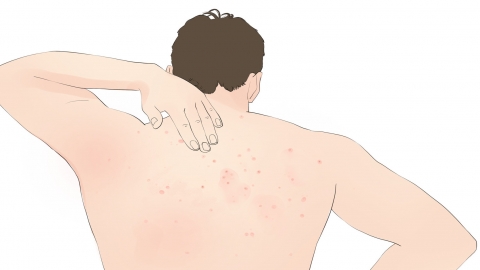
3. Physical Aesthetic Medical Treatments: Since topical skincare alone offers limited improvement for persistent acne marks, consider evidence-based, non-invasive aesthetic procedures performed by qualified professionals at reputable clinics. Light- and energy-based modalities (e.g., lasers, intense pulsed light) target superficial skin layers to reduce erythema and pigment deposition. Post-treatment, skin may be temporarily more sensitive; enhanced moisturization and rigorous sun protection are mandatory. Adhere closely to the clinic’s post-procedure care instructions to optimize healing and outcomes.
4. Standardized Pharmacotherapy: For moderate-to-severe acne marks, topical medications prescribed by a dermatologist may be used adjunctively to fade pigmentation and alleviate localized redness. Strictly follow dosage instructions—including application area and frequency—as directed. Do not self-adjust or increase dosage without medical supervision. Monitor skin response during treatment; discontinue use immediately if persistent irritation or discomfort occurs.
5. Surgical Intervention: In cases where acne marks coexist with significant atrophic (depressed) scarring—and other modalities yield suboptimal results—surgical correction may be considered. This approach is generally reserved for deeper, more severe atrophic scars. Following surgery, meticulous wound care is essential. Continued sun protection and moisturization remain critical to minimize post-inflammatory hyperpigmentation and support comprehensive skin recovery.
In daily life, aim to minimize sleep deprivation and reduce intake of high-glycemic, oily foods to help prevent recurrent acne. Keep your skincare routine simple and effective. Cultivate realistic expectations: fading acne marks is a gradual process requiring sustained effort—avoid pursuing rapid, short-term “quick fixes.”


