


What Are the Symptoms and Manifestations of Allergic Dermatitis?

Allergic dermatitis commonly presents with symptoms including pruritus (itching), erythematous papules, skin swelling, vesicles with exudation, and dry, crusted skin. Upon contact with an allergen, the skin mounts an inflammatory response; disease severity varies among individuals. If skin lesions progressively worsen, prompt medical consultation is advised.
1. Pruritus: Itching is the predominant symptom of allergic dermatitis, varying in intensity during flare-ups. External friction and temperature changes may exacerbate pruritus. Repeated scratching damages the epidermis, leading to further lesion spread. Scratching should be minimized; gentle tapping of the affected area may help reduce secondary skin injury.
2. Erythematous Papules: Well-defined or ill-defined erythematous patches appear on the skin, studded with papules of varying sizes. Lesions typically occur at sites of allergen contact but may extend to surrounding areas. Upon observing such manifestations, immediately discontinue use of any suspected skincare or cleansing products and minimize further exposure to irritants.
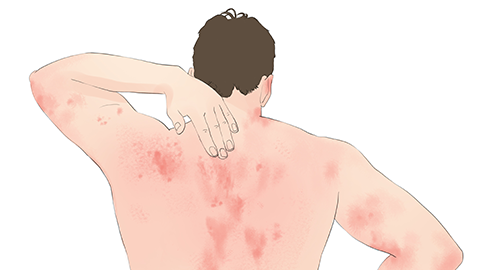
3. Skin Swelling: Inflammatory stimulation induces localized edema, which may affect the face, limbs, or other areas. The swollen skin feels taut and distended; severe swelling may impair local mobility. Persistent or progressive swelling warrants close monitoring of systemic status. If home care fails to produce improvement, professional medical evaluation is essential.
4. Vesicles and Exudation: During the acute phase of dermatitis, small vesicles may develop at affected sites; rupture of these vesicles leads to serous exudation. This compromises the skin barrier, increasing susceptibility to secondary bacterial infection. Do not puncture vesicles manually; instead, maintain cleanliness of the affected area, minimize handling, and prevent contamination of the compromised skin.
5. Dryness and Crusting: As the condition enters the recovery phase, exudation gradually subsides, and crusts form over the lesions, often accompanied by dryness and scaling. At this stage, skin tolerance is diminished; crusts must not be forcibly removed—allow them to detach naturally. Consistent moisturization and barrier-repair strategies support gradual restoration of the damaged skin barrier.
In daily life, avoid known allergens whenever possible. Wear loose-fitting, soft cotton clothing; avoid washing affected areas with excessively hot water; maintain a bland diet; and minimize all external factors that may irritate the skin.


