


How is neurodermatitis treated?

Neurodermatitis can be improved through lifestyle adjustments, avoidance of triggering factors, local physical care, topical medications, and oral medications. This condition is commonly associated with emotional stress and repeated friction, requiring comprehensive management. If skin lesions repeatedly thicken and itching worsens, seek medical attention promptly.
1. Regulate Daily Routine: Maintain a consistent and stable sleep-wake schedule, adhering to early bedtimes and early risings, and avoid chronic sleep deprivation. Staying up late disrupts the nervous system and increases the frequency of pruritus. Cultivate inner calmness in daily life, minimize emotional fluctuations and mental tension; a stable physical and mental state reduces neural excitability and decreases the frequency of skin discomfort episodes.
2. Avoid Triggering Factors: In daily life, steer clear of coarse clothing, repeated friction, and heat-induced sweating. Opt for loose-fitting, breathable cotton garments. Minimize frequent scratching of affected areas, as scratching establishes a vicious cycle leading to progressive skin thickening and induration. Additionally, avoid spicy and irritating foods to reduce internal “heat” generation that may exacerbate symptoms.
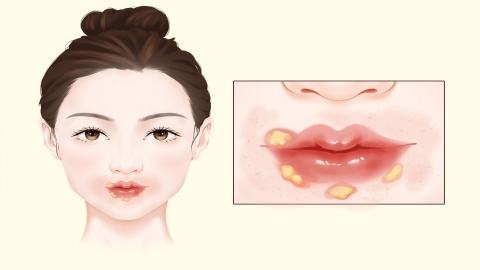
3. Local Physical Care: Routinely moisturize and repair affected skin. Use gentle, hydrating products to soothe dryness and tightness. When itching occurs, gently pat (rather than scratch) the area to alleviate discomfort. Avoid hot-water washing, which may overstimulate nerves and intensify pruritus. Keep affected areas clean and dry to maintain stable skin homeostasis.
4. Topical Medication Therapy: Under professional guidance, apply approved topical ointments to alleviate local inflammation and reduce itching. Apply consistently and evenly across the entire affected area, without arbitrarily increasing or decreasing application frequency. Monitor skin response during treatment and adjust duration based on lesion improvement, while watching for potential adverse reactions.
5. Oral Medication Therapy: When pruritus occurs frequently—especially disrupting nighttime rest—oral medications may be prescribed per physician instructions to modulate neural activity and suppress itch perception. Strictly adhere to prescribed dosages and treatment duration; do not self-administer long-term. Maintain healthy sleep habits and complement pharmacotherapy with appropriate skin care to optimize overall recovery.
Consistently practice relaxation techniques to ease psychological stress and reduce anxiety or irritability. Prevent mechanical irritation or pressure on affected areas, adhere to simplified, effective moisturization regimens, and pursue long-term skin maintenance to minimize recurrent neurodermatitis episodes.


