


What Is Eczema?

Eczema is a common inflammatory skin disorder triggered by a combination of internal and external factors. Its primary manifestations include pruritus (itching), erythema (redness), and papules. The disease tends to follow a recurrent, protracted course and can affect individuals of any age. If you develop widespread erythematous rashes and persistent pruritus, seek prompt medical evaluation and standardized treatment.
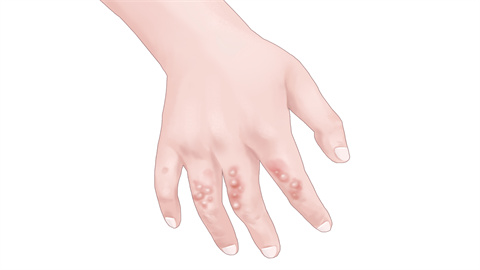
Contributing factors to eczema include immune dysregulation, impaired skin barrier function, environmental irritants, and dietary influences. During active disease, the skin typically exhibits erythema, papules, and vesicles; in severe cases, oozing and crusting may occur, accompanied by persistent pruritus. Clinical management focuses primarily on restoring skin barrier integrity and controlling inflammation and pruritus. Mild cases may be managed with topical soothing agents, whereas moderate-to-severe cases often require systemic therapy to modulate the inflammatory response.
Eczema is classified into three phases—acute, subacute, and chronic—each characterized by distinct clinical features. The acute phase is marked by erythema, edema, and exudation; the chronic phase features lichenification (skin thickening), roughness, and scaling. Due to its tendency toward recurrence, prolonged scratching may exacerbate skin damage. Consistent adherence to evidence-based treatment and avoidance of triggering factors significantly reduce relapse rates and help maintain cutaneous stability.
In daily life, practice gentle skin cleansing—avoid excessively hot water and frequent vigorous scrubbing. Maintain consistent whole-body moisturization, steer clear of known allergens and irritants, and support optimal skin barrier function to minimize the risk of eczema flares.


