


What Causes Sweaty Feet?

Sweating of the feet may result from non-breathable footwear or socks, intense physical activity (which accelerates metabolism), focal hyperhidrosis, fungal infection of the feet, or autonomic nervous system dysfunction. Symptoms can be improved by changing footwear and socks, taking appropriate rest, and using targeted medications. If excessive sweating is severe or accompanied by discomfort, prompt medical consultation is advised.
1. Non-breathable footwear or socks: Wearing non-breathable shoes or socks over prolonged periods impedes normal heat dissipation from the feet, leading to continuous heat accumulation. This stimulates the foot’s eccrine glands to secrete sweat, resulting in persistently moist and sweaty feet. It is recommended to wear cotton, breathable footwear and socks daily, change them every day, and maintain dry, well-ventilated feet.
2. Accelerated metabolism due to intense physical activity: Prolonged walking or exercise increases basal metabolic rate and accelerates blood circulation. The foot’s sweat glands become stimulated by this heightened metabolic activity, leading to increased sweat production—a normal physiological response. After exercise, promptly wash and thoroughly dry the feet, and allow adequate rest while reducing high-intensity activities.
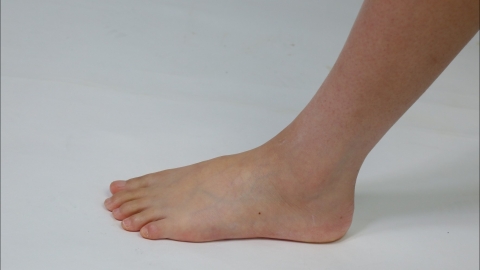
3. Focal hyperhidrosis: Abnormally heightened neural sensitivity of the foot’s sweat glands leads to excessive neural excitation, causing overactive sweat secretion. Patients experience persistent, abnormal sweating of both feet—even at rest. Under a physician’s guidance, medications such as oryzanol tablets, vitamin B1 tablets, or urotropine solution may be used to alleviate symptoms.
4. Fungal infection of the feet: Fungal invasion triggers localized inflammatory responses, stimulating abnormal sweat gland secretion. In addition to excessive sweating, patients may experience scaling, pruritus, and unpleasant odor. Under medical supervision, antifungal agents—including terbinafine hydrochloride cream, bifonazole cream, or itraconazole capsules—may be prescribed to relieve symptoms.
5. Autonomic nervous system dysfunction: Chronic sleep deprivation and excessive mental stress can disrupt autonomic regulation, resulting in disordered eccrine gland activity throughout the body. Feet may exhibit paroxysmal hyperhidrosis, often accompanied by cold extremities and irritability. Under physician guidance, medications such as mecobalamin tablets, vitamin B6 tablets, or flupentixol/melitracen tablets may be prescribed to improve symptoms.
In daily life, maintain clean, dry feet; choose loose-fitting, breathable footwear and socks; avoid prolonged sitting or standing; adhere to regular sleep-wake cycles; manage emotional stress; and stabilize foot metabolism.


