


How to Remove Facial Spots

Facial pigmentation (melasma, freckles, age spots, etc.) can be improved through various approaches, including daily prevention and regulation, topical skincare for pigment lightening and repair, topical medications, physical or light-based therapies, and surgical excision. Since different types of pigmentation vary in nature and underlying causes, recovery timelines differ significantly. If pigmented spots rapidly enlarge or change color within a short period, prompt medical evaluation is essential.
1. Daily Prevention and Regulation: Sun protection forms the cornerstone of pigment reduction. Ultraviolet (UV) radiation exacerbates melanin deposition; therefore, daily sun protection measures—including wearing sun umbrellas and wide-brimmed hats, as well as applying broad-spectrum sunscreen—are strongly recommended. Maintain regular sleep patterns, minimize late-night activity, reduce intake of high-sugar foods, and thereby help prevent endocrine imbalances that may trigger or worsen hyperpigmentation—addressing the root cause to curb further pigment accumulation.
2. Skincare for Pigment Lightening and Repair: Select skincare products containing clinically proven pigment-inhibiting and repairing ingredients (e.g., vitamin C, niacinamide, tranexamic acid, kojic acid), and use them consistently over the long term to gradually promote epidermal melanin turnover. Note: Skincare interventions primarily target superficial pigmentation and have limited efficacy against deeper dermal pigment. When introducing a new product, perform a patch test on a small area first to monitor for adverse reactions such as redness or sensitivity before full-face application.
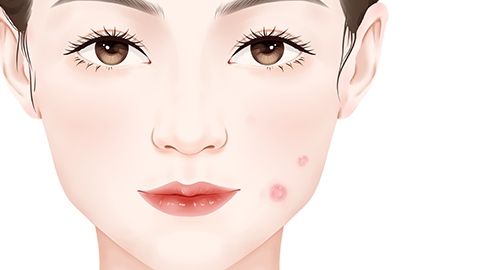
3. Topical Medication Therapy: For moderate-to-severe pigmentation, topical depigmenting agents (e.g., hydroquinone, tretinoin, corticosteroids, or combination formulations) may be prescribed under physician supervision to inhibit melanin synthesis and accelerate pigment clearance. Strictly adhere to your doctor’s instructions regarding application area and frequency. Continue diligent sun protection during treatment; do not increase dosage or frequency without medical guidance, as this may cause skin irritation or desquamation.
4. Physical and Light-Based Therapies: When topical products or medications yield suboptimal results, consider evidence-based phototherapeutic procedures (e.g., Q-switched lasers, intense pulsed light [IPL], picosecond lasers) performed by qualified professionals at accredited medical facilities. These modalities utilize selective photothermolysis to fragment melanin granules within the skin. Post-treatment, the skin barrier is temporarily compromised; thus, enhanced hydration and rigorous sun protection are critical. A transient post-inflammatory hyperpigmentation (“rebound darkening”) may occur; follow all aftercare instructions provided by your treating clinic meticulously.
5. Surgical Excision: In cases where pigmented lesions raise clinical suspicion for atypical changes (e.g., dysplasia or malignancy) and other modalities are contraindicated or ineffective, surgical excision may be indicated. Excised tissue can be sent for histopathological examination. This approach is typically reserved for small, localized, or atypical lesions. After surgery, protect the wound diligently, strictly avoid UV exposure, and minimize risk of postoperative hyperpigmentation.
Avoid frequent rubbing or aggressive massaging of facial skin; refrain from using unverified “quick-fix” folk remedies for pigmentation. Maintain emotional stability and adopt realistic expectations for long-term, gradual improvement—this helps reduce recurrence of pigmented lesions.


